Lassi, Coolers & Traditional Indian Drinks to Beat the Brampton Heat

Brampton summers hit differently when you grow up expecting Indian heat solutions.
Air conditioning cools the room. Traditional Indian drinks cool the body.
The difference matters. When temperatures push past 30°C and humidity makes the air feel thick, your body needs more than cold liquid. It needs drinks built on centuries of understanding how to survive real heat.
This is not about novelty drinks or Instagram-worthy presentations. This is about functional beverages that rehydrate, aid digestion, and reset your system when summer becomes oppressive.
At Tadka King, we see the pattern every May. As Brampton heats up, orders shift. Chai requests drop. Lassi, chaas, and coolers spike. People remember what their bodies actually need.
Why Indian Drinks Work Better in Heat
Western cooling strategies rely on cold temperature alone. Ice water. Iced coffee. Frozen smoothies. Indian cooling strategies use ingredients that trigger physiological responses beyond temperature.
The Science of Traditional Cooling
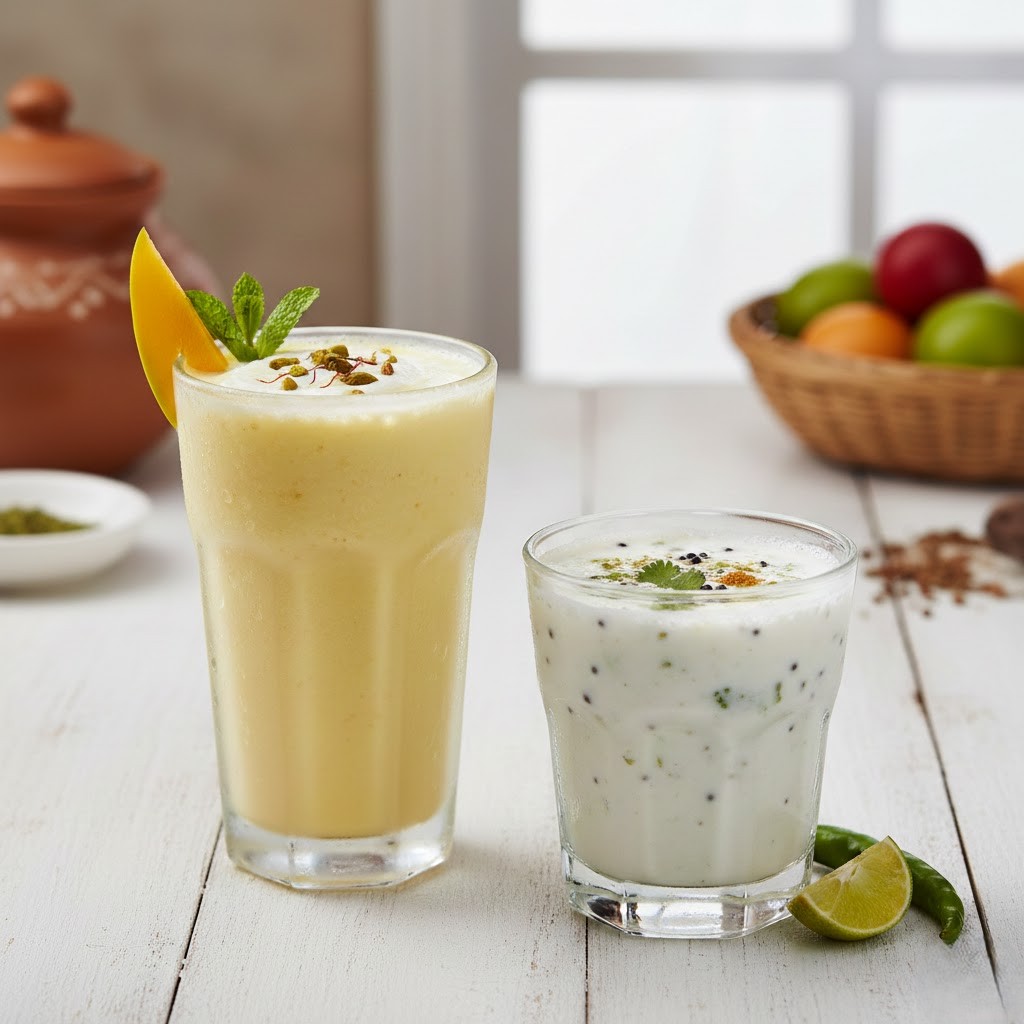
Yogurt-based drinks (lassi, chaas)
contain probiotics that support gut function. When heat stresses your digestive system, these drinks stabilize it. The protein and fat content also provides sustained energy without the crash that comes from sugar-heavy cold drinks.
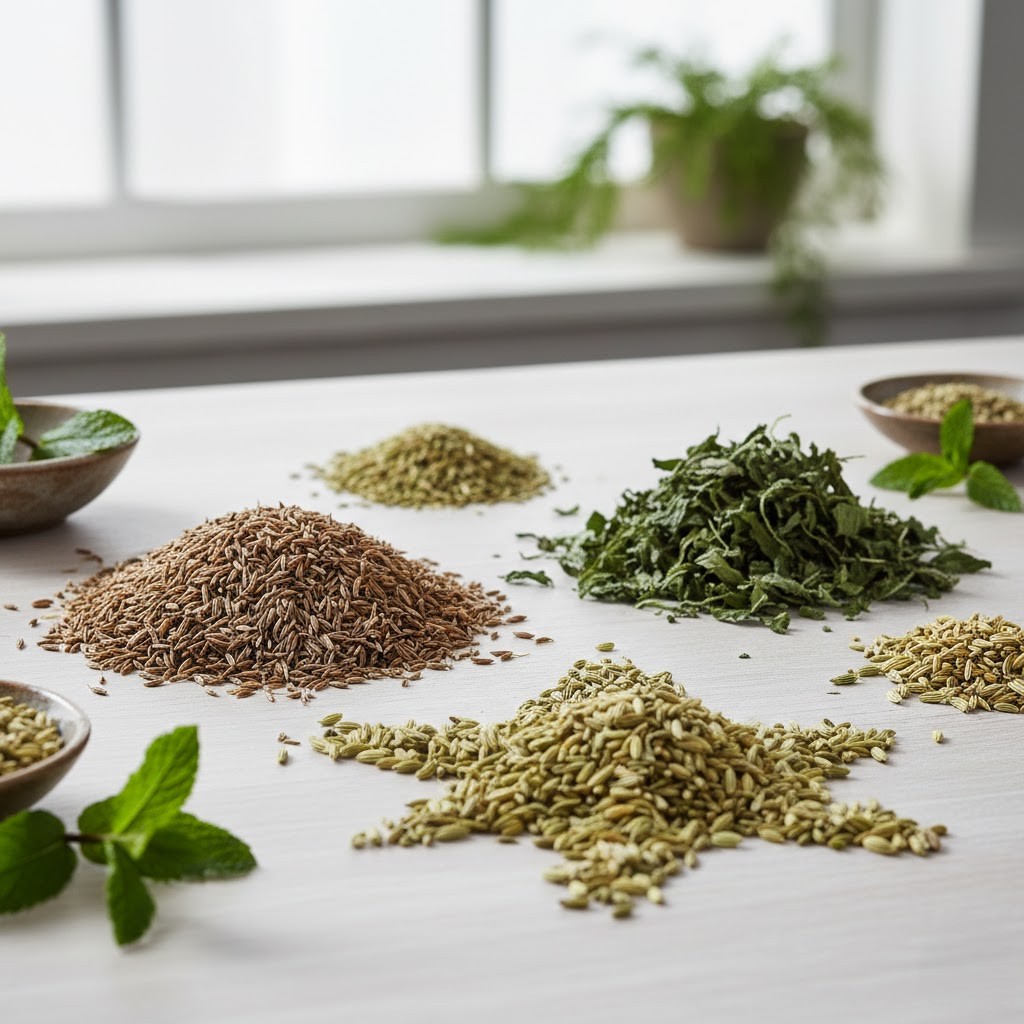
Cumin, mint, and fennel
are not just flavor additions. They are carminatives-substances that reduce bloating and gas. In heat, your digestion slows. These ingredients keep things moving.
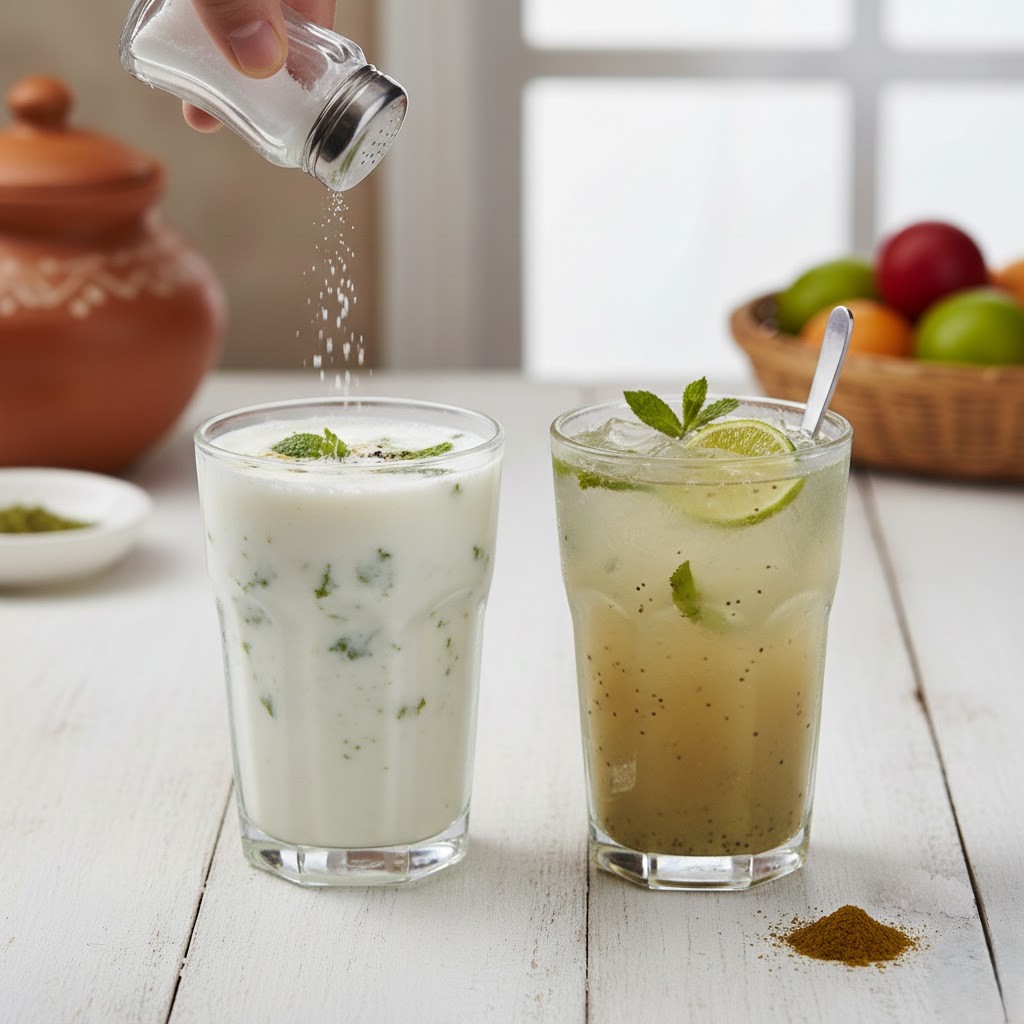
Salt in chaas and jaljeera
replaces electrolytes lost through sweat. This is why laborers in India drink chaas during breaks, not cold soda. The rehydration is immediate and effective.
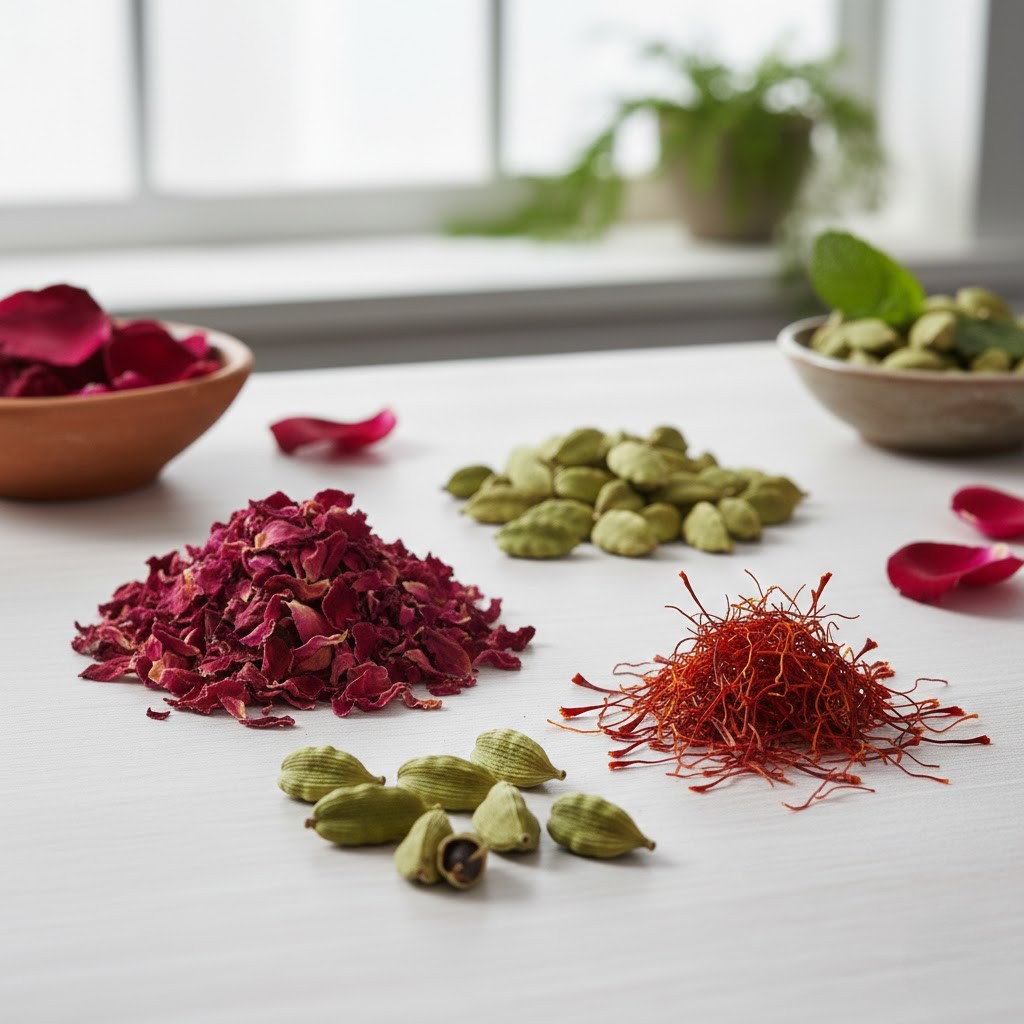
Rose, cardamom, and saffron
have cooling properties in Ayurvedic tradition. Whether you subscribe to Ayurveda or not, these ingredients create a sensory experience that signals “cooling” to your brain, which affects how your body responds.
Hydration That Lasts
Cold water hydrates temporarily. Your body warms it to process it, which actually generates internal heat.
Room-temperature or slightly cool yogurt-based drinks hydrate without triggering that warming response. The result is sustained cooling, not a brief spike.
This is why people in Rajasthan-where summer temperatures regularly exceed 45°C-drink lassi at room temperature, not ice-cold.
Core Traditional Indian Drinks (What They Are and When to Drink Them)
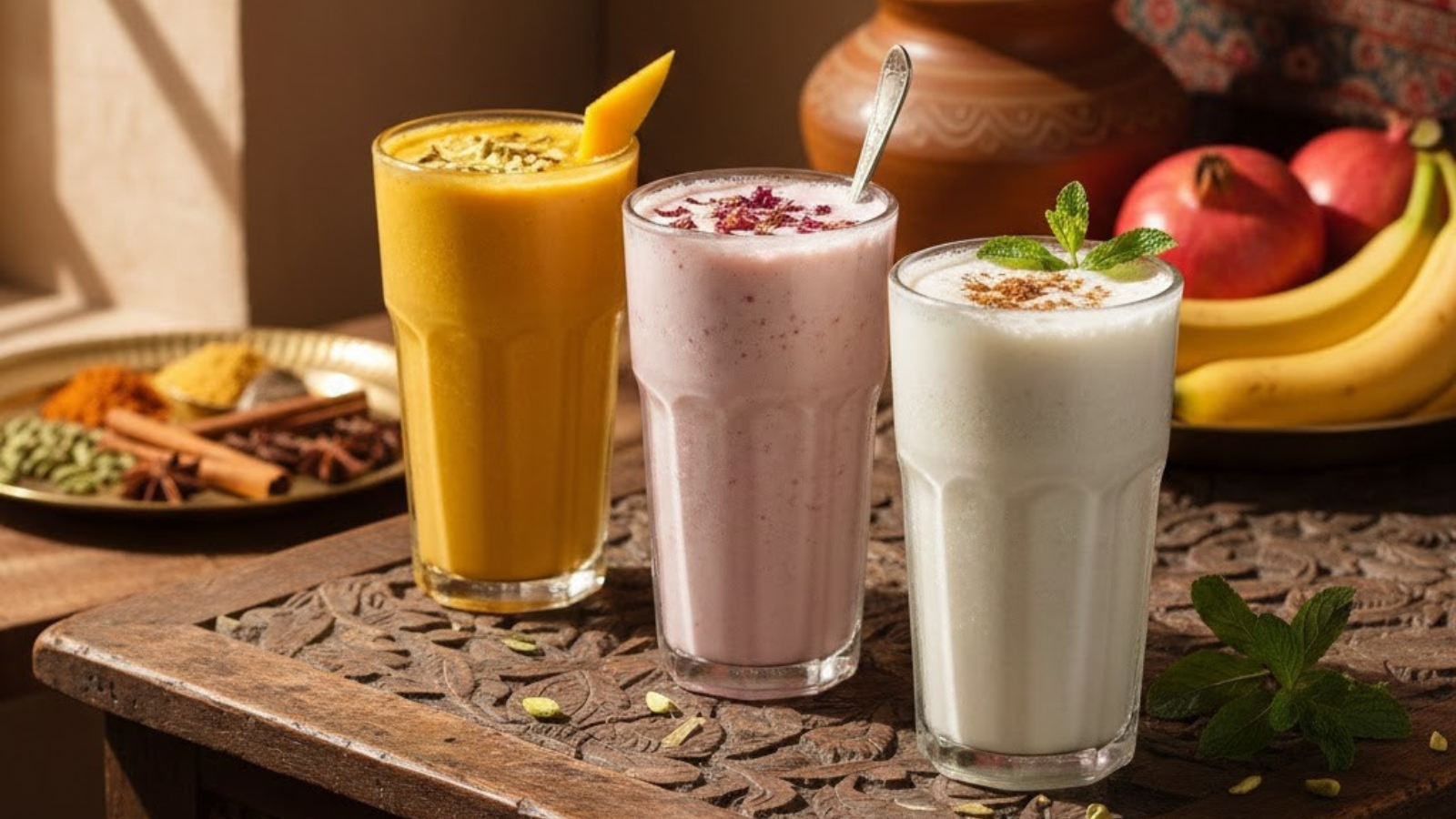
Lassi (Sweet and Salted)
Base:
Yogurt, water, sugar or salt
Variations:
Mango, rose, saffron, cardamom
Consistency:
Thick, frothy, substantial
Sweet lassi
works as a dessert replacement or mid-afternoon energy boost. The sugar provides quick energy. The yogurt provides sustained fullness. If you need something cold and filling, sweet lassi beats a milkshake.
Salted lassi
functions as a digestive aid and rehydration solution. It pairs well with spicy meals because the yogurt fat neutralizes capsaicin better than water. Construction workers, delivery drivers, and anyone working outdoors in Brampton heat should keep salted lassi on hand.
Mango lassi
is the bridge version-sweet enough for dessert appeal, thick enough to satisfy hunger, and culturally familiar to people who have never tried traditional Indian drinks.
When to drink it:
After heavy meals (aids digestion)
Mid-afternoon when energy drops
Post-workout (better rehydration than sports drinks)
When you need something filling, not just refreshing
Common mistake:
Drinking lassi ice-cold. The extreme cold reduces its digestive benefits. Serve it cool, not frozen.
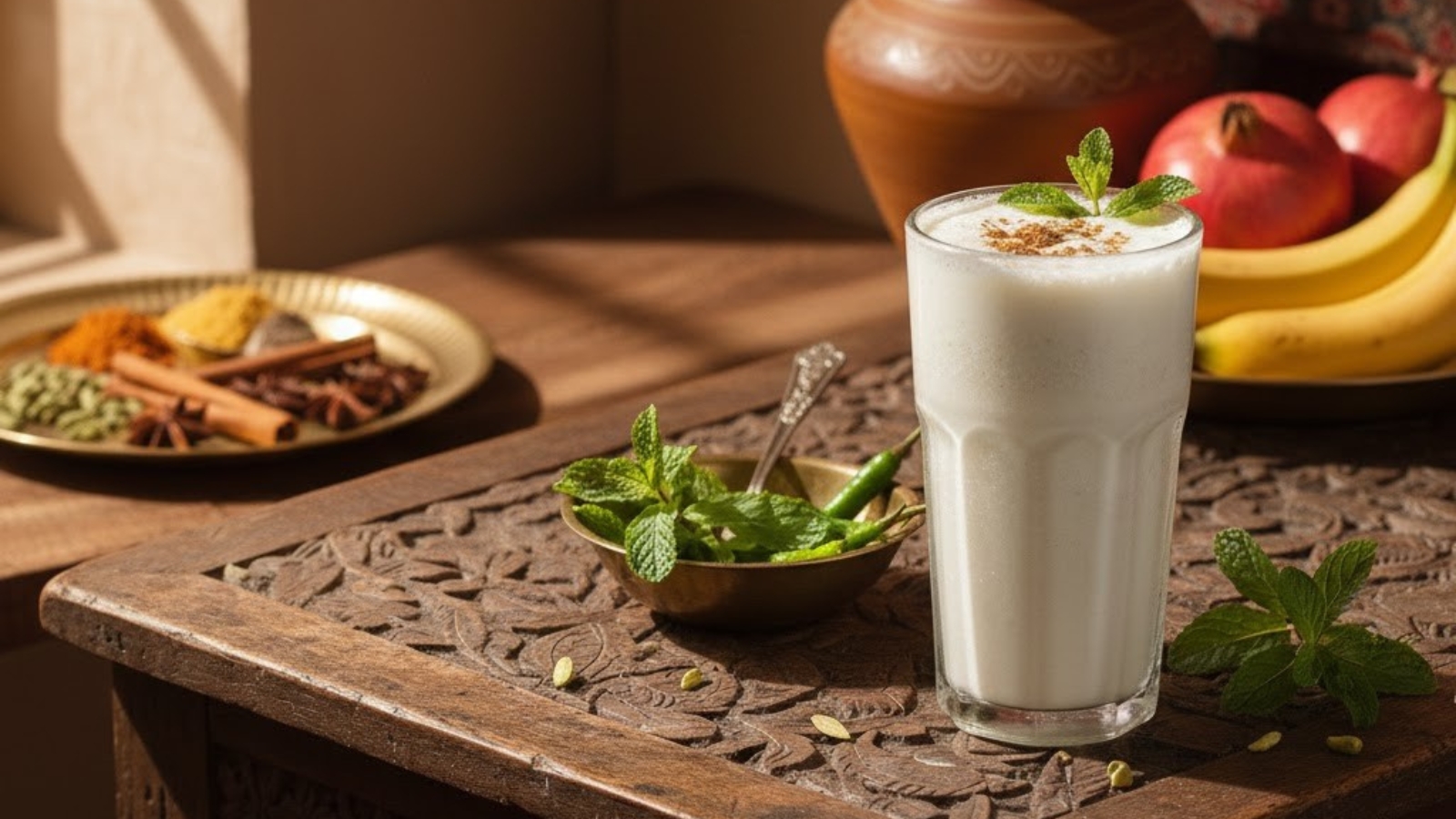
Chaas (Buttermilk)
Base:
Diluted yogurt, water, salt, cumin, mint
Consistency:
Thin, drinkable, light
Chaas is what you drink when lassi feels too heavy.
It is lighter, more hydrating, and designed for regular consumption throughout the day. In India, chaas is what people drink with lunch to prevent post-meal sluggishness.
The cumin and mint make it more than just diluted yogurt. They activate digestion and provide a cooling sensation that lasts.
When to drink it:
With lunch (especially heavy or spicy meals)
Throughout the workday for continuous hydration
After being outside in heat (replaces electrolytes)
When you want yogurt benefits without thickness
Why it works in Brampton summers:
Brampton heat comes with humidity. Chaas addresses both temperature and the bloating that humid heat causes.
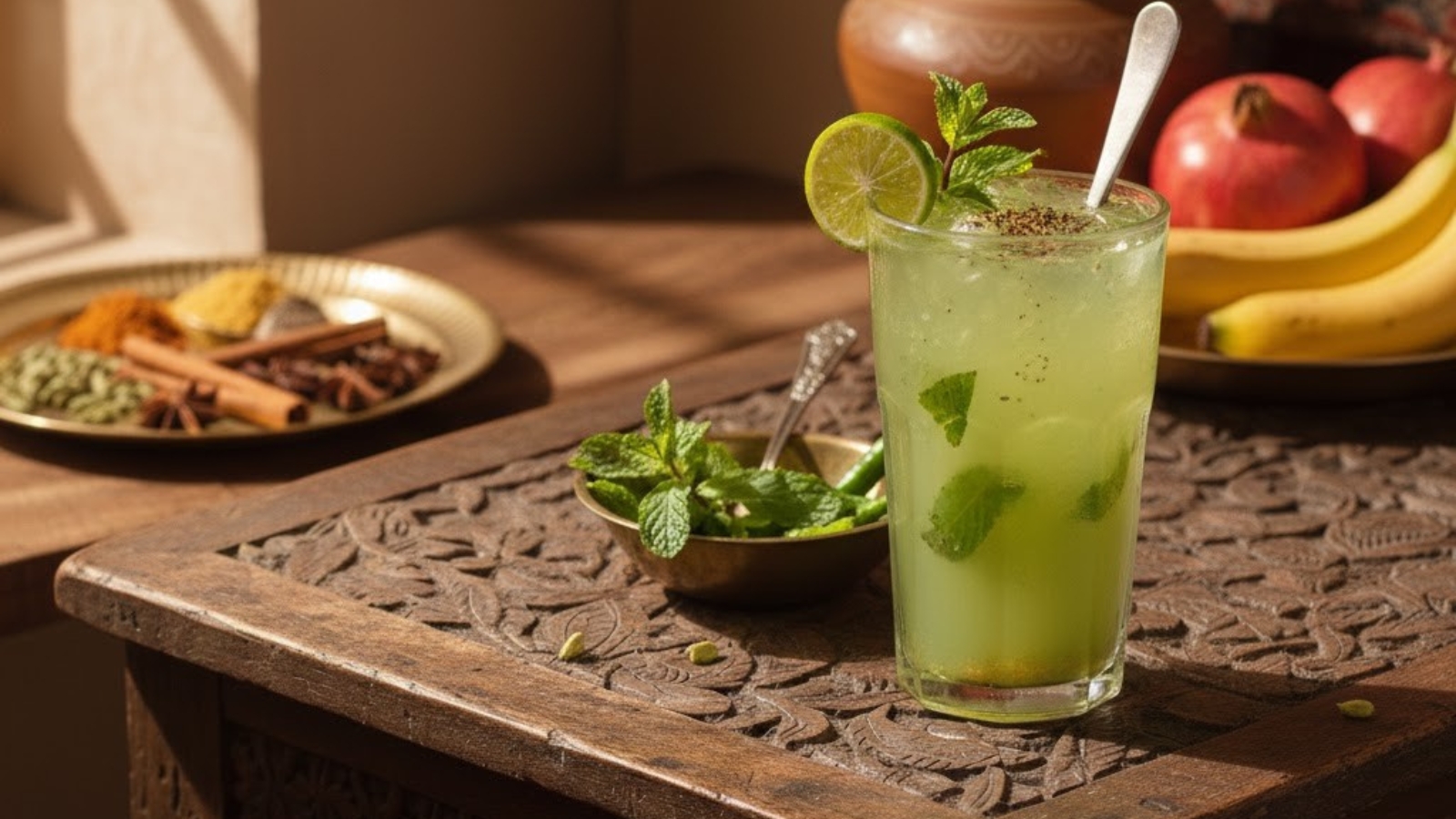
Jaljeera
Base:
Water, cumin, mint, black salt, tamarind, lemon
Consistency:
Thin, tangy, sharp
Jaljeera is aggressively functional. It is not subtle. The flavor is bold, sour, and slightly bitter.
This drink exists to reset your digestive system and provide immediate cooling. The cumin and black salt are the active ingredients. Everything else supports them.
When to drink it:
Before meals (stimulates appetite and prepares digestion)
After overeating (reduces bloating)
During heat waves when nothing else feels refreshing
When recovering from mild stomach upset
Not for everyone:
Jaljeera is an acquired taste. People either love it immediately or need multiple tries to appreciate it. Do not serve it to guests unfamiliar with Indian drinks without warning them about the intensity.
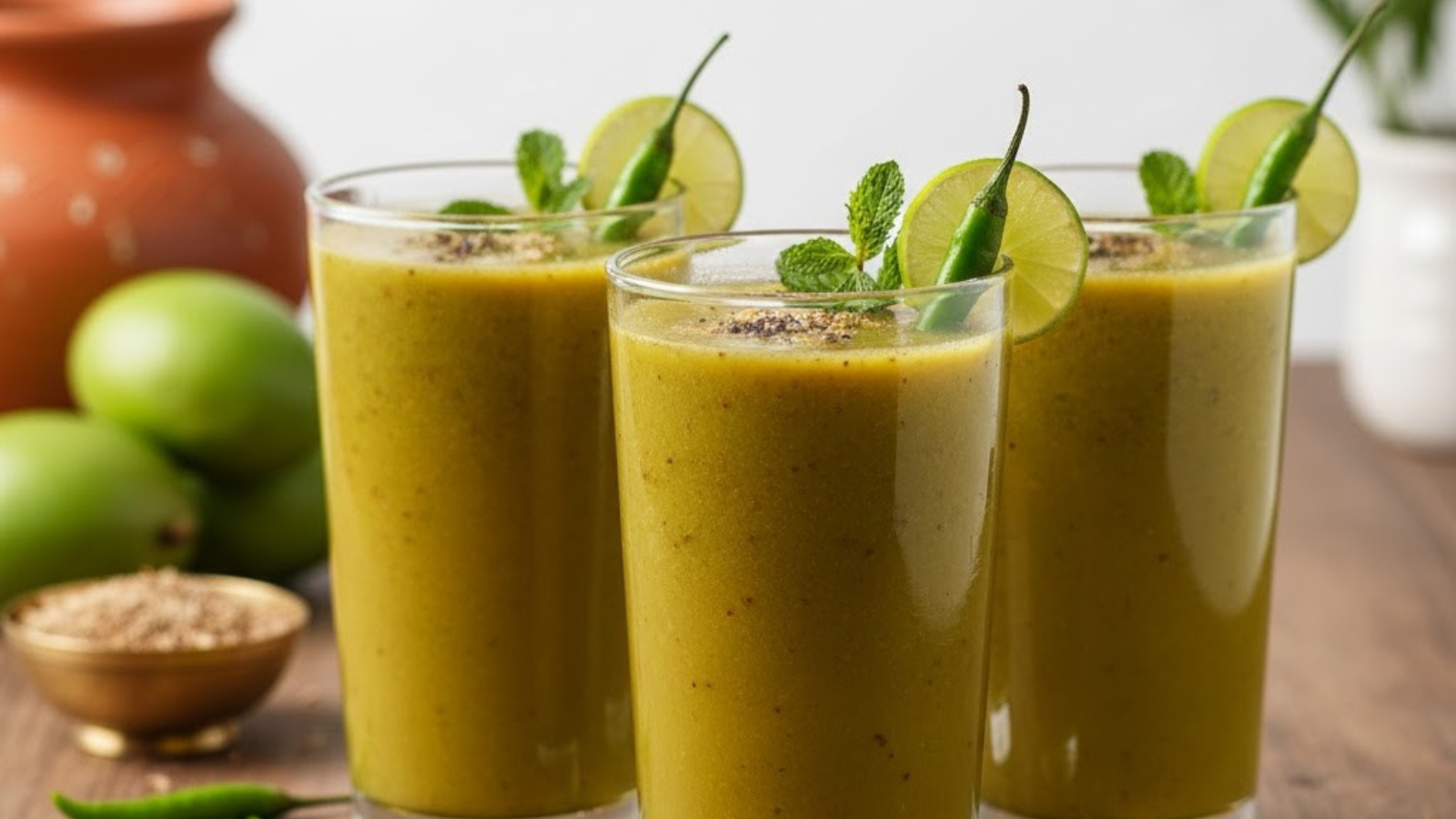
Aam Panna (Raw Mango Drink)
Base:
Raw mango pulp, water, sugar, cumin, black salt, mint
Consistency:
Thin to medium, tangy-sweet
Aam panna is seasonal-only available when raw mangoes are in supply, typically late spring and early summer.
Raw mango is rich in vitamin C and helps prevent heat stroke. This is not folklore. The fruit's natural compounds support electrolyte balance and reduce the risk of dehydration-related issues.
When to drink it:
During peak summer (May through July in Brampton)
After prolonged sun exposure
When you need both hydration and energy
As a vitamin C boost during heat stress
Why it matters in Brampton:
Brampton's South Asian population knows this drink from childhood. Offering aam panna during summer connects culturally and provides real functional benefits.
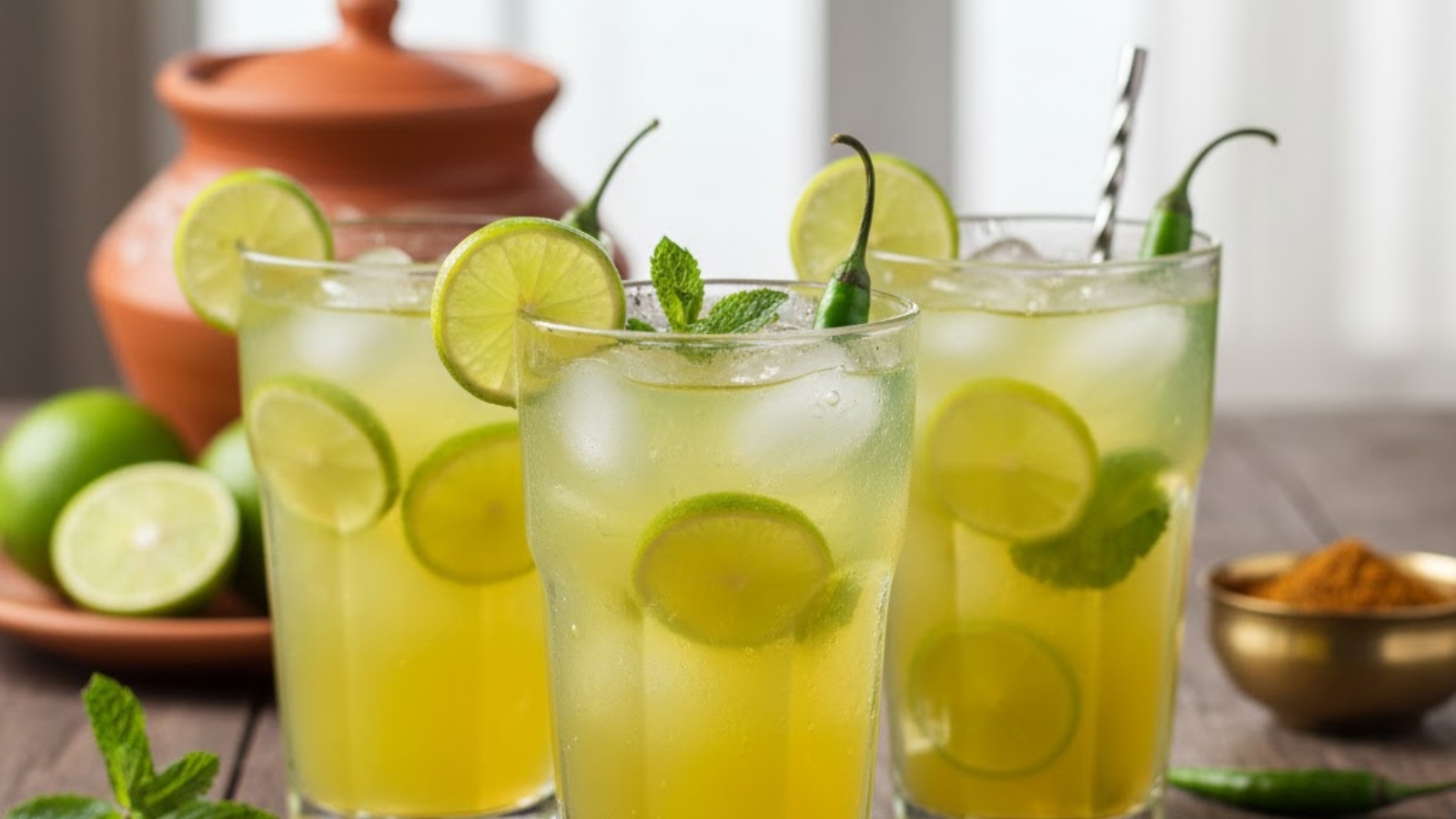
Nimbu Pani (Lemonade, Indian-Style)
Base:
Lemon juice, water, sugar, salt, cumin
Consistency:
This is India's version of lemonade, but better.
The addition of salt and cumin transforms it from a sweet drink into a rehydration solution. Street vendors across India sell nimbu pani because it is cheap, effective, and fast.
When to drink it:
Anytime you would drink regular lemonade
After exercise or physical work
Throughout the day as a water alternative
When you want something light and not yogurt-based
Customization:
You can adjust the sweet-salt ratio based on need. More salt for rehydration. More sugar for energy. Balanced for general refreshment.
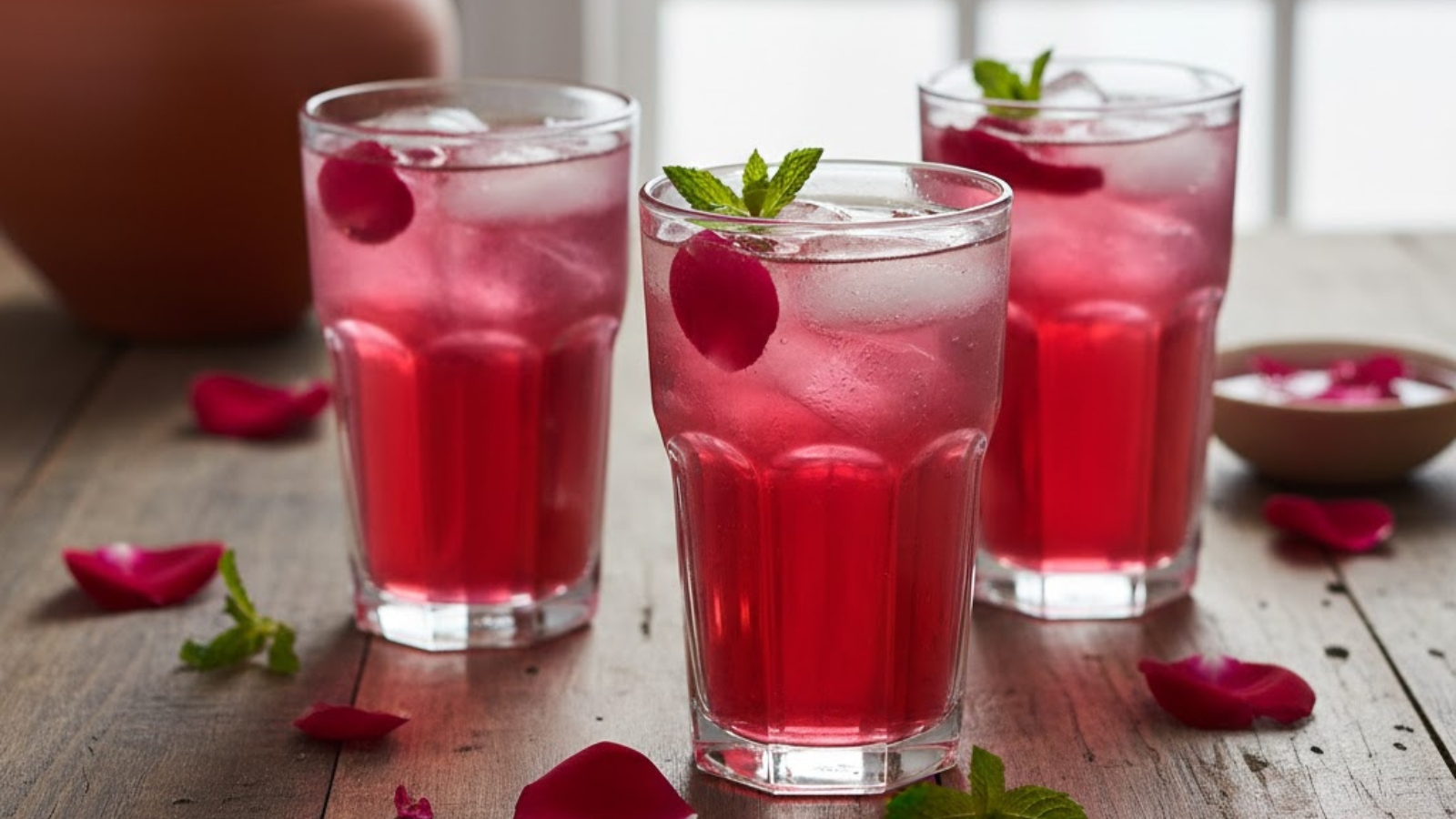
Rose Sherbet (Rooh Afza)
Base:
Rose syrup, water, milk (optional)
Consistency:
Thin to medium, sweet, floral
Rose sherbet is less about function and more about sensory cooling.
The rose flavor creates a psychological cooling effect. Your brain associates the scent and taste with coolness, which influences how your body responds to heat.
When to drink it:
During Ramadan (breaks the fast with hydration and energy)
At weddings and celebrations (traditional welcome drink)
When you want something sweet but not heavy
For children (universally appealing flavor)
Cultural note:
Rooh Afza, the most popular rose syrup brand, is deeply tied to South Asian identity. Serving it at events signals cultural authenticity.
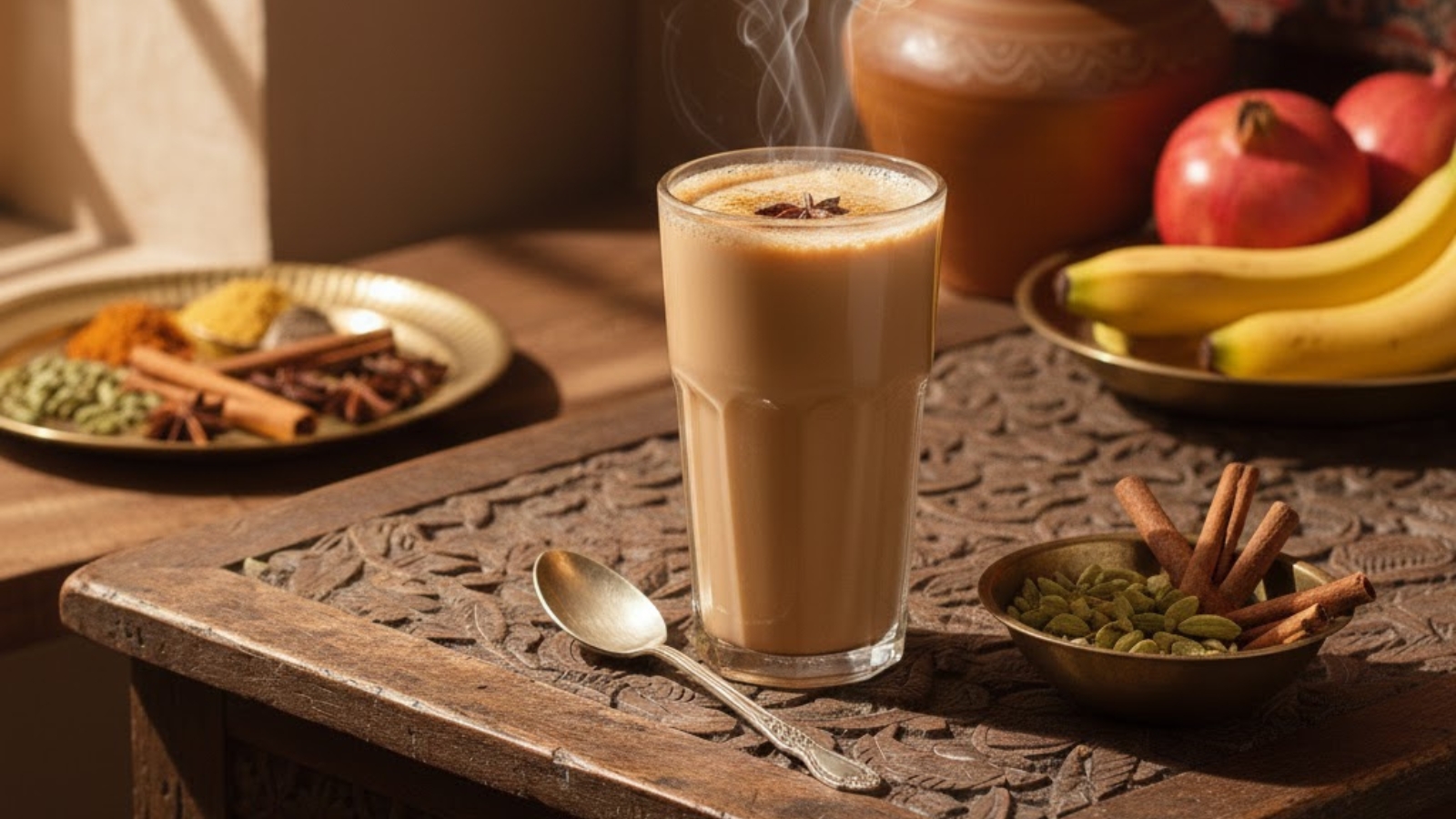
Masala Chai (Hot Tea, Yes, in Summer)
This seems counterintuitive, but stay with me.
In extreme heat, drinking something hot causes you to sweat. Sweating cools your body more effectively than drinking cold liquids because evaporation pulls heat away from your skin.
This is why tea is consumed in the hottest parts of India, the Middle East, and North Africa.
When to drink it:
Early morning before heat peaks
Late afternoon when you need an energy boost
When working in air-conditioned environments (hot tea prevents internal cold-heat imbalance)
Not recommended:
During peak heat hours (12 PM - 4 PM). The sweating effect works best in moderate heat, not extreme temperatures.
Drinks for Different Summer Scenarios in Brampton

Office Workers in Air-Conditioned Buildings
Challenge:
Constant transition between cold indoor air and hot outdoor environment. This temperature swing stresses your system.
Recommended drinks:
Masala chai (keeps internal temperature stable)
Nimbu pani (hydrates without extreme cold)
Room-temperature chaas
Why:
Drinking ice-cold beverages in AC environments creates internal temperature conflict. Your body does not know whether to warm up or cool down. Room-temperature drinks prevent this.
Outdoor Workers (Construction, Delivery, Landscaping)
Challenge:
Prolonged sun exposure, heavy sweating, physical exertion
Recommended drinks:
Salted lassi (hydration + energy + electrolytes)
Chaas (continuous hydration throughout the day)
Aam panna (vitamin C + heat stroke prevention)
Why:
These workers lose significant water and salt through sweat. Sugar-free, salt-heavy drinks prevent cramping and fatigue better than sports drinks.
Families with Children
Challenge:
Kids do not drink enough water. They need flavors they like while parents want nutritional value.
Recommended drinks:
Mango lassi (appeals to kids, filling, nutritious)
Rose sherbet (sweet, fun color, hydrating)
Sweet nimbu pani (familiar lemonade taste with better benefits)
Why:
Getting kids to hydrate in heat is hard. These drinks provide hydration disguised as treats.
Post-Workout Recovery
Challenge:
Need protein, hydration, and electrolyte replacement
Recommended drinks:
Salted lassi (protein from yogurt, electrolytes from salt)
Chaas with extra cumin (aids muscle recovery and reduces inflammation)
Why:
Lassi provides more complete nutrition than protein shakes. The probiotics support gut health, which improves nutrient absorption.
Elderly and Heat-Sensitive Individuals
Challenge:
Reduced thirst sensation, higher dehydration risk, digestive sensitivity
Recommended drinks:
Chaas (easy to digest, gentle, hydrating)
Nimbu pani with less sugar (prevents blood sugar spikes)
Rose sherbet diluted with extra water
Why:
Older adults often do not feel thirsty until dehydration has set in. These drinks are palatable enough to consume regularly without forcing.
Pairing Drinks with Indian Meals
Different meals pair better with specific drinks. This is not arbitrary-it is about digestion and flavor balance.
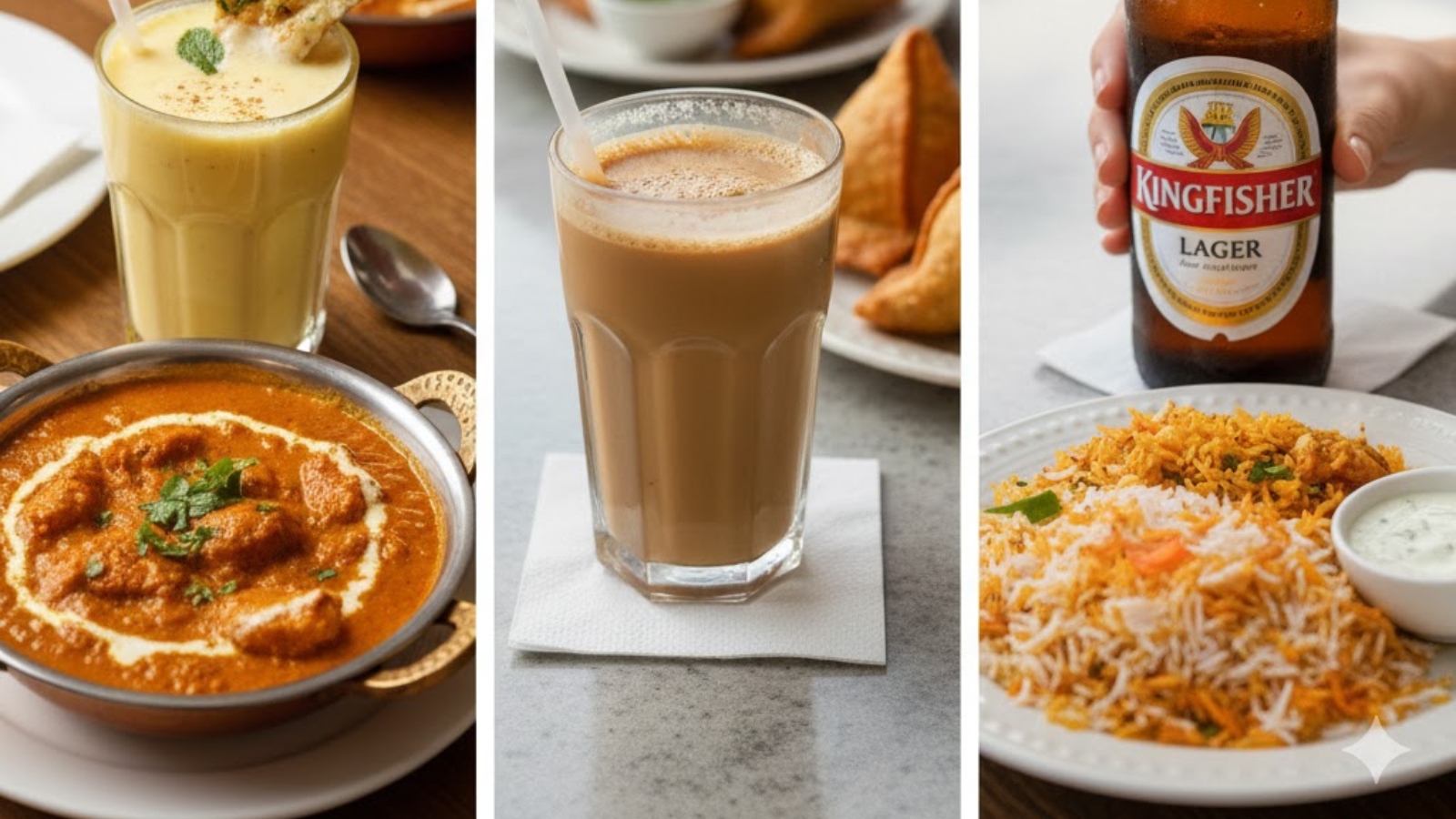
With Spicy Curries and Tandoori Dishes
Recommended:
Salted lassi, chaas
Why:
Yogurt-based drinks neutralize capsaicin. Water spreads heat around. Yogurt fat binds to it and removes it.
Avoid:
Sweet drinks. Sugar amplifies the sensation of heat.
With Biryani and Rice-Based Meals
Recommended:
Chaas, nimbu pani
Why:
Rice is starchy and can feel heavy. Acidic drinks cut through starch and aid digestion.
Avoid:
Thick lassi. Too heavy on top of a heavy meal.
With Street Food (Samosas, Pakoras, Chaat)
Recommended:
Jaljeera, chaas, nimbu pani
Why:
Fried food needs digestive support. Cumin-based drinks prevent post-snack bloating.
Avoid:
Sweet lassi. The sugar-fat combination slows digestion.
With Sweets and Desserts
Recommended:
Masala chai, plain water
Why:
After sweets, you need palate cleansing, not more sweetness.
Avoid:
Sweet lassi or rose sherbet. Sugar on sugar creates sensory overload.
For more guidance on pairing sweets with meals, see our complete guide on sweet pairings with Indian meals.
Seasonal Timing: When to Drink What in Brampton
Brampton’s summer runs May through September, with peak heat in July and August. Different drinks work better at different points in the season.
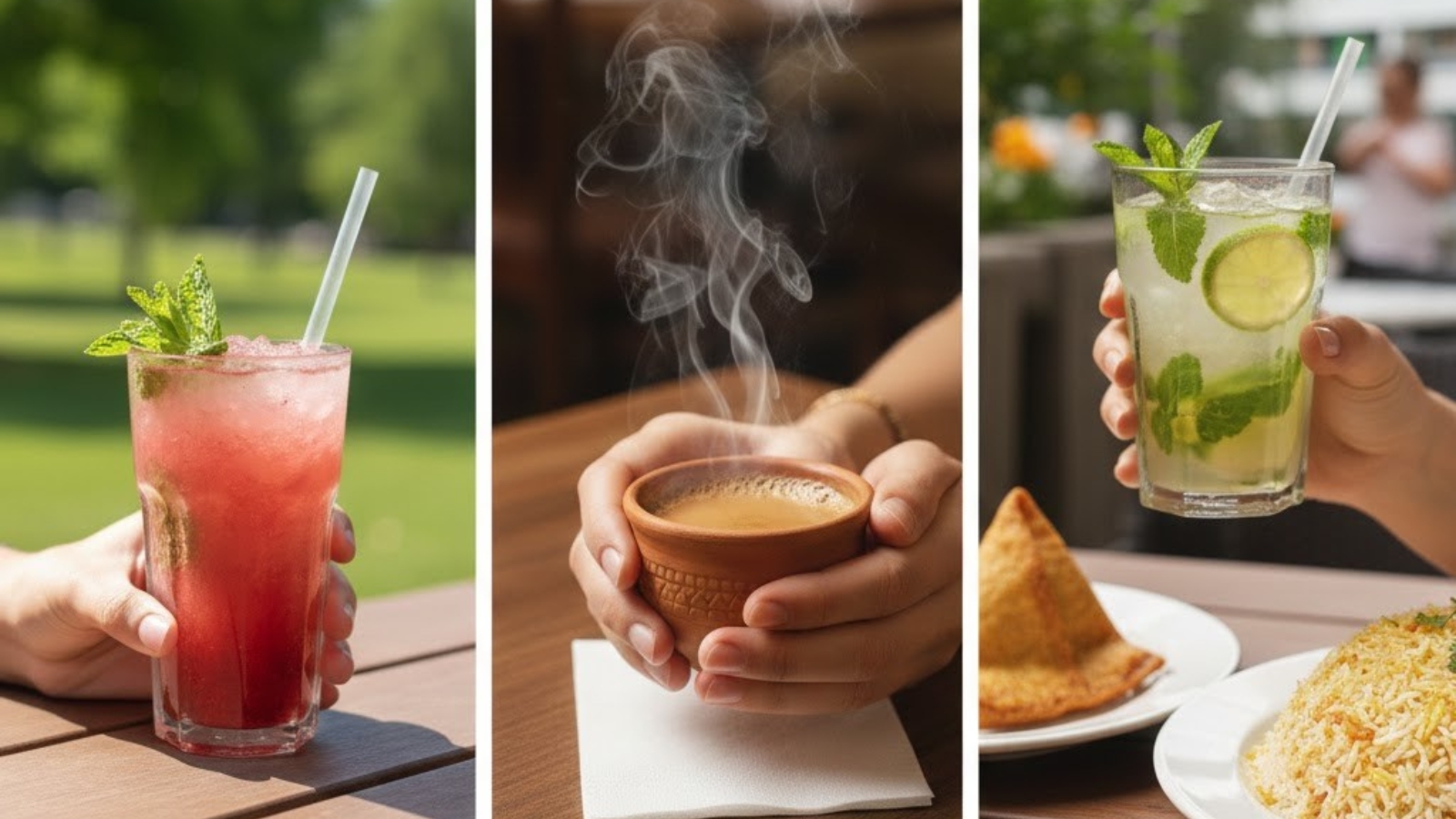
Late Spring (May - Early June)
Temperature:
20-25°C, humidity rising
Recommended drinks:
Aam panna, nimbu pani, sweet lassi
Why:
Heat is building but not extreme. This is when you transition from hot drinks to cold. Aam panna is at its best when raw mangoes are fresh.
Peak Summer (Late June - August)
Temperature:
20-25°C, humidity rising
Recommended drinks:
Aam panna, nimbu pani, sweet lassi
Why:
Heat is building but not extreme. This is when you transition from hot drinks to cold. Aam panna is at its best when raw mangoes are fresh.
Late Summer (September)
Temperature:
20-28°C, cooling down
Recommended drinks:
Any drink works, transition back to chai
Why:
Heat breaks, but hydration still matters. This is when people start craving warm drinks again.
Common Mistakes with Indian Summer Drinks
Mistake 1: Making Everything Ice-Cold
Cold drinks provide instant relief but do not cool you long-term. Your body has to warm the liquid to process it, which generates internal heat.
Solution:
Serve drinks cool (10-15°C), not frozen. This provides refreshment without triggering internal warming.
Mistake 2: Too Much Sugar
Sweet drinks spike blood sugar, which leads to energy crashes and increased thirst.
Solution:
Reduce sugar in homemade versions. Use salt for rehydration, not sugar for flavor.
Mistake 3: Drinking Only When Thirsty
Thirst is a late-stage dehydration signal. By the time you feel it, you are already behind.
Solution:
Schedule drinks throughout the day. A glass of chaas with lunch. Nimbu pani mid-afternoon. Salted lassi after work.
Mistake 4: Ignoring Electrolyte Balance
Water alone does not rehydrate effectively in extreme heat. You need salt.
Solution:
Add a pinch of salt to any homemade drink. Salted lassi and chaas are better rehydration tools than plain water.
Mistake 5: Serving Guests Unfamiliar Drinks Without Context
Jaljeera and chaas can be intense for people unfamiliar with Indian flavors. Serving them without explanation creates awkward moments.
Solution:
Offer familiar options (mango lassi, nimbu pani) alongside traditional ones. Explain what each drink is and why it works.
How Tadka King Handles Summer Drinks
At Tadka King, drinks are not an afterthought. They are part of the full food system.
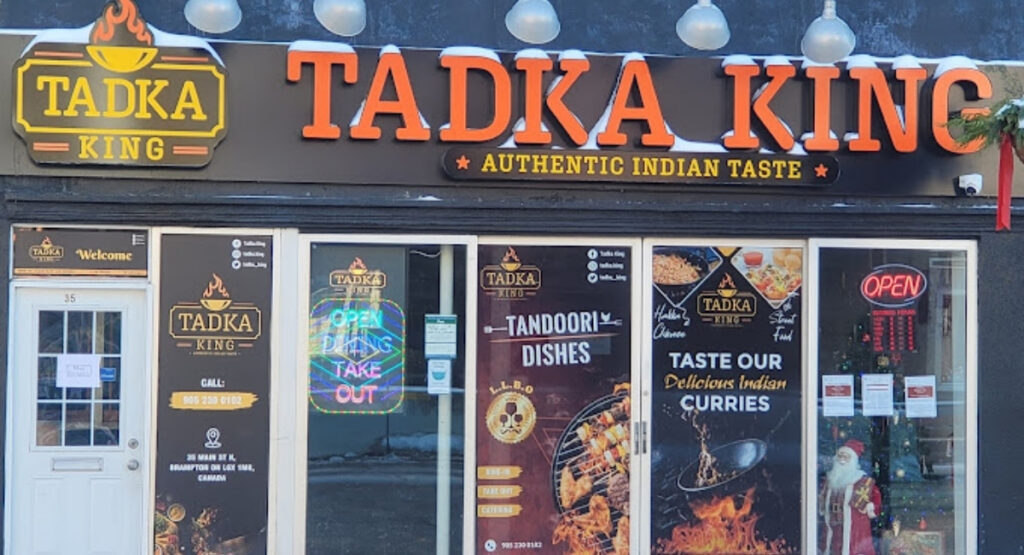
Year-Round Availability
We do not turn off lassi in winter or stop making chai in summer. People's needs do not follow seasonal marketing calendars.
If you want salted lassi at 2 AM in January, we make it. If you need chaas in December, it is available.
This is what 24/7 operations actually mean.
Customization Based on Need
Not everyone wants the same sweetness or salt level. We adjust based on what you are using the drink for.
Rehydration after outdoor work? Extra salt, less sugar.
Dessert replacement? More sweetness, thicker consistency. Digestive aid? Balanced, cumin-forward.
Integration with Meals and Catering
When you order food from us-whether dine-in, takeout, tiffin service, or catering-we recommend drinks that match the meal.
Spicy curry order? We suggest salted lassi. Biryani tray for 30 people? We offer bulk chaas. Wedding catering for 200? We set up a drink station with multiple options.
This is not upselling. This is completing the meal properly.
For catering planning that includes full beverage service, see our Indian event catering guide.
Bulk Availability for Events
Most places treat drinks as individual servings. We scale to events.
Need 50 servings of mango lassi for a birthday party? We prepare it fresh and deliver it in bulk containers with serving setups.
Corporate lunch for 100 with chaas? We provide it in insulated dispensers that keep it cool for hours.
This is part of our catering infrastructure. Drinks are not separate orders-they are part of the full event solution.
Making Traditional Drinks at Home (If You Want To)
You do not need us to make these drinks. Recipes are simple. But understanding the principles helps you make them correctly.
Basic Lassi Formula
1 cup yogurt
1/2 cup water (adjust for thickness)
Sugar or salt to taste
Ice (optional, but not necessary)
Basic Chaas Formula
1 cup yogurt
2 cups water
1/2 tsp salt
1/2 tsp roasted cumin powder
Fresh mint or cilantro
Basic Nimbu Pani Formula
Juice of 2 lemons
4 cups water
2-3 tbsp sugar
1/2 tsp salt
1/4 tsp roasted cumin powder (optional)
Why Most People Still Order Instead of Making
These recipes are simple, but execution matters.
Consistency:
Getting the yogurt-water ratio right in lassi takes practice. Too thick and it does not refresh. Too thin and it loses substance.
Ingredient quality:
The yogurt base determines everything. Thin, commercial yogurt does not produce the same result as thick, probiotic-rich yogurt.
Volume:
Making drinks for one person is easy. Making them for 10-50 people requires infrastructure and planning.
This is why people order from us. It is not that they cannot make it. It is that we make it consistently, at scale, exactly when they need it.
Why Brampton Needs Better Access to Traditional Drinks
Brampton’s South Asian population is significant, but access to traditional drinks outside of restaurants is limited.
Grocery stores carry rose syrup and yogurt, but not prepared drinks.
Fast food chains offer cold drinks and milkshakes, which do not address summer heat functionally.
Coffee shops sell iced coffee, which dehydrates more than it hydrates.
The gap is availability. People know these drinks work. They just are not accessible when needed-late night, during commutes, at events.
This is why Tadka King stays open 24/7 with a full drink menu. Functional hydration should not have business hours.
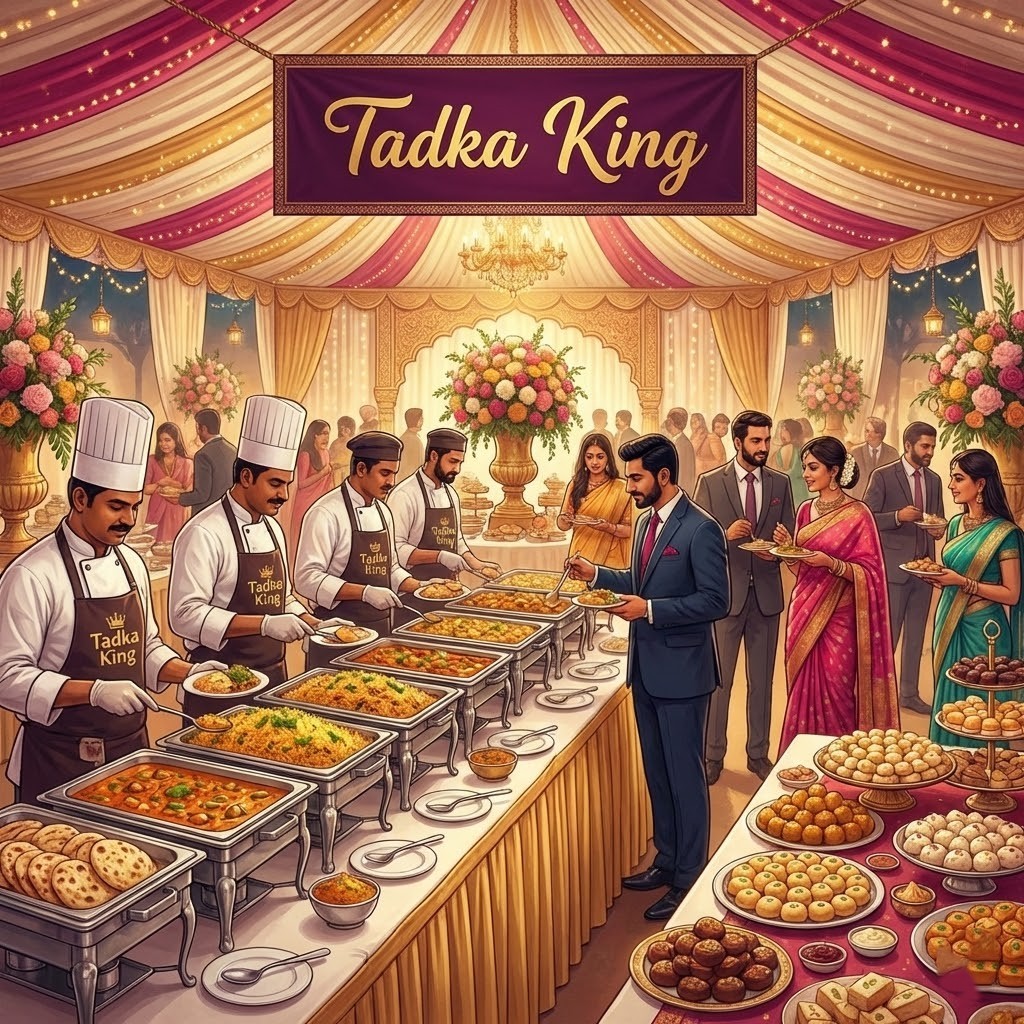
This is the Tadka King.
At Tadka King, we approach cooking and catering as a complete experience – from how a menu flows, to how dishes arrive, to how flavors support one another on the plate. Every element is designed with intention, whether it’s a family dinner, a wedding celebration, or a large-scale event.
We focus on food that arrives on time, at the right temperature, in the right quantities – paired with drinks and sweets that complement the meal instead of competing with it. The result is not excess. It’s harmony.
Final Thought: Heat Requires Real Solutions
Brampton summers are not extreme by global standards, but they are uncomfortable. Humid heat, long days, and the constant indoor-outdoor temperature shifts stress your body.
Cold drinks provide temporary relief. Traditional Indian drinks provide actual solutions-rehydration, digestion support, sustained cooling, and electrolyte balance.
At Tadka King, we keep these drinks available because we understand the difference between what feels good for five minutes and what actually helps your body function in heat.
Tadka King - Traditional Indian Drinks, Food & Catering in Brampton
35 Main St N, Brampton, ON L6X 1M8
Phone: (905) 230-0102
Open 24/7 – Full menu including traditional drinks, any hour
Ready to beat the heat?
- View our full menu and order online
- Contact us for catering and bulk drink orders
- Explore more food insights on our blog
Quick Resources:
- Sweet Pairings Guide – Match desserts with meals
- Event Catering Planning – Full event food solutions
- Reserve a Table – Dine in and try our drinks fresh
Frequently Asked Questions (FAQs)
Why are traditional Indian drinks better for summer heat than cold beverages?
Traditional Indian drinks focus on electrolyte balance, digestion support, and sustained hydration. Ingredients like yogurt, salt, cumin, and mint help the body cool naturally, unlike ice-cold drinks that provide only temporary relief.
What is the best Indian drink for extreme summer heat in Brampton?
For peak heat and humidity, chaas (buttermilk) and salted lassi are the most effective. They replace lost electrolytes, prevent dehydration, and support digestion better than soda or sports drinks.
Is lassi meant to be drunk ice-cold?
No. Lassi works best when served cool, not frozen. Extremely cold lassi can reduce its digestive benefits and cause internal warming as the body processes the temperature difference.
Which Indian drinks are best for outdoor workers or physical activity?
Salted lassi, chaas, and aam panna are ideal for people working outdoors. They provide hydration, electrolytes, sustained energy, and help prevent heat exhaustion better than sugary cold drinks.
Are Indian summer drinks suitable for children and elderly people?
Yes. Mango lassi, rose sherbet (diluted), and lightly sweetened nimbu pani are especially suitable. These drinks encourage hydration while remaining gentle on digestion for heat-sensitive individuals.
Does Tadka King offer traditional Indian drinks year-round in Brampton?
Yes. Tadka King offers lassi, chaas, chai, and traditional Indian drinks 24/7, year-round. Drinks are available for dine-in, takeout, catering, and bulk orders for events.

Swaran Sandhu
Swaran Sandhu has 8+ years of experience in the HoReCa industry and a passion for writing about food, restaurants, and Indian cuisine, especially covering locations across Ontario (Canada).