What Makes Amritsari Kulcha So Special? A Deep Dive
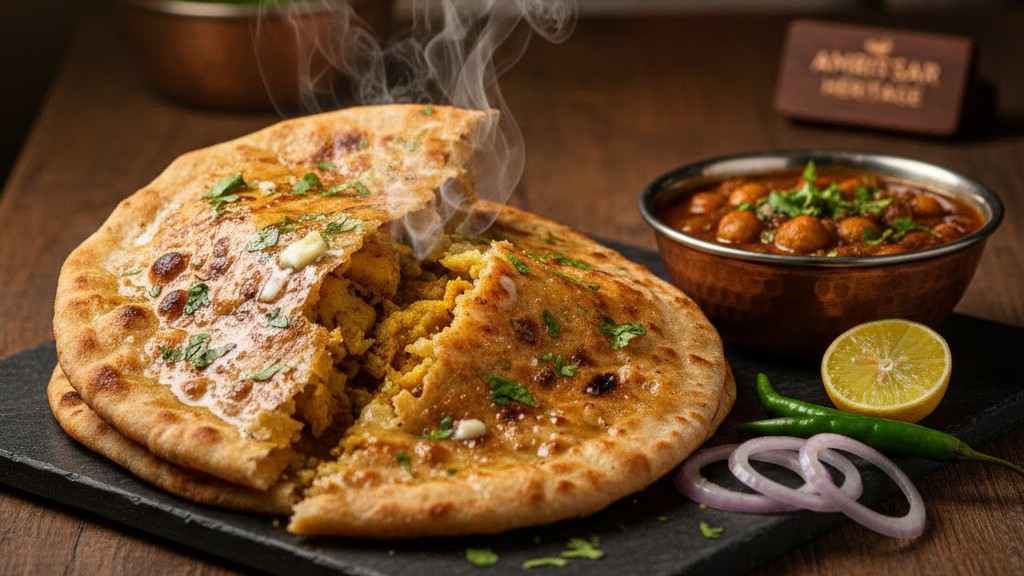
If you have ever tasted a properly made Amritsari Kulcha, you already know the answer. And if you have not – this is the article that will make sure you fix that immediately.
Amritsari Kulcha is not just a bread. It is a centuries-old tradition from one of India’s most spiritually and culinarily significant cities. It is a technique, a texture, a flavour profile, and a cultural experience – all wrapped in one golden, buttered, tandoor-kissed package. It also happens to be the signature dish at Tadka King, and the single most talked-about item on our menu.
In this deep dive, we explore the history, the anatomy, the cooking method, and what separates a truly great Amritsari Kulcha from everything else. We also tell you exactly how to experience it at Tadka King – Brampton’s 24/7 Punjabi kitchen – so you can taste for yourself what the conversation is about.
What is it about one specific bread – a bread made from flour, water, and very few other ingredients – that makes grown adults rearrange their entire day, plan cross-city drives, and argue passionately with anyone who dares call it “just a kulcha”?
How Did Amritsari Kulcha Come to Be? The History Behind the Dish
The story of Amritsari Kulcha begins in Amritsar – a city in the Punjab region of northwestern India that is home to the Golden Temple, one of the most visited religious sites on earth. Amritsar has long been a crossroads of cultures, trade routes, and cooking traditions, and its food has always reflected that richness.
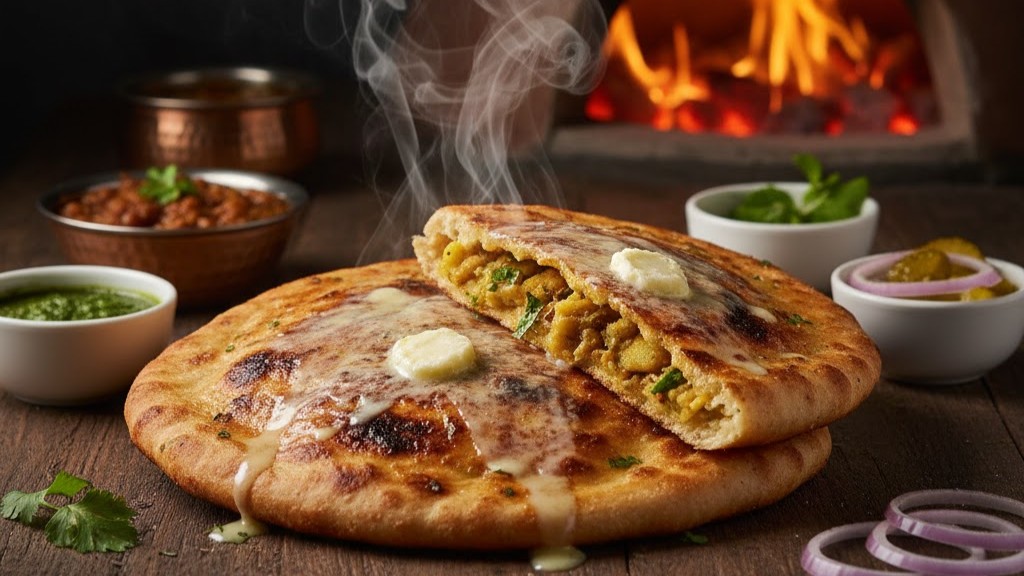
The kulcha itself is a descendant of the broader family of Indian leavened breads – cousins to naan and tandoori roti. But somewhere along the way, the bakers and dhabas (roadside eateries) of Amritsar did something transformative: they began stuffing the kulcha with spiced potato filling, pressing it flat, and cooking it directly on the inside walls of a clay tandoor oven at scorching temperatures.
The result was something entirely new. The bread blistered and charred slightly on the outside. The inside remained soft, airy, and steaming. The stuffing cooked through and melded with the dough. And when it came off the tandoor and was smeared generously with butter or ghee, it became the dish that would define Punjabi street food culture for generations.
“Amritsari Kulcha is one of those rare foods where every element – the dough, the filling, the fire, the fat – plays an essential, irreplaceable role. Remove any one of them and you have a different dish entirely.”
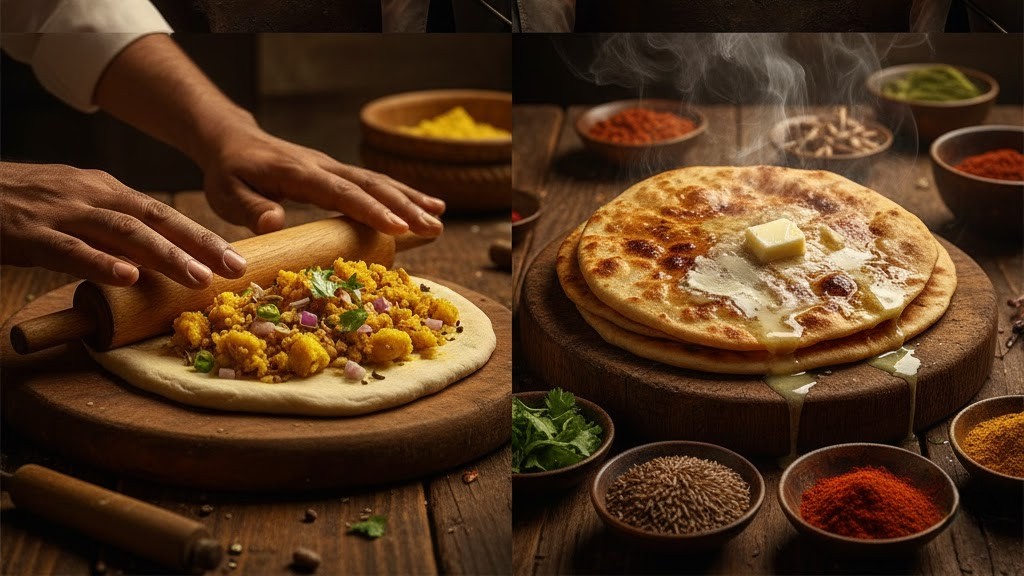
What Actually Goes Into an Amritsari Kulcha? Breaking Down Every Element
The magic of Amritsari Kulcha lies in its deceptive simplicity. The ingredient list is short. But the technique behind each element is deep – and every step matters.
The Dough
Traditional Amritsari Kulcha dough is made from maida (refined wheat flour), water, a leavening agent, a touch of yoghurt, and sometimes a little fat. The dough must be kneaded to the right consistency - soft enough to puff in the tandoor, firm enough to hold its shape when stuffed and pressed. Resting time is essential: the gluten needs to relax so the bread stretches without tearing.
The Filling
The classic filling is a dry, spiced mashed potato mixture - boiled potatoes combined with finely chopped onion, green chilli, fresh coriander, and a precise blend of spices including ajwain (carom seeds), amchur (dried mango powder for tartness), and red chilli. The filling must be completely dry: any moisture and the kulcha will not cook evenly in the tandoor.
The Tandoor
This is where the transformation happens. A traditional tandoor is a cylindrical clay oven fired with charcoal or wood, reaching temperatures between 400 and 480 degrees Celsius. The kulcha is slapped directly onto the inner wall of the tandoor and cooked for 90 seconds to three minutes. The extreme heat creates the signature blistered, charred exterior while trapping moisture and steam inside.
No oven, no pan, no air fryer replicates what a clay tandoor does to a kulcha. The direct contact with the clay wall, the radiant heat, the smoke – these are irreplaceable.
The Butter / Ghee Finish
The moment the kulcha comes off the tandoor, it is smeared generously with white butter (makhan) or ghee. This is not optional. This is the step that brings everything together - the fat melts into the hot, open surface of the bread, adds richness, seals in moisture, and gives the kulcha its characteristic glossy sheen. Authentic Amritsari kulcha uses real, fresh white butter. There are no substitutes.
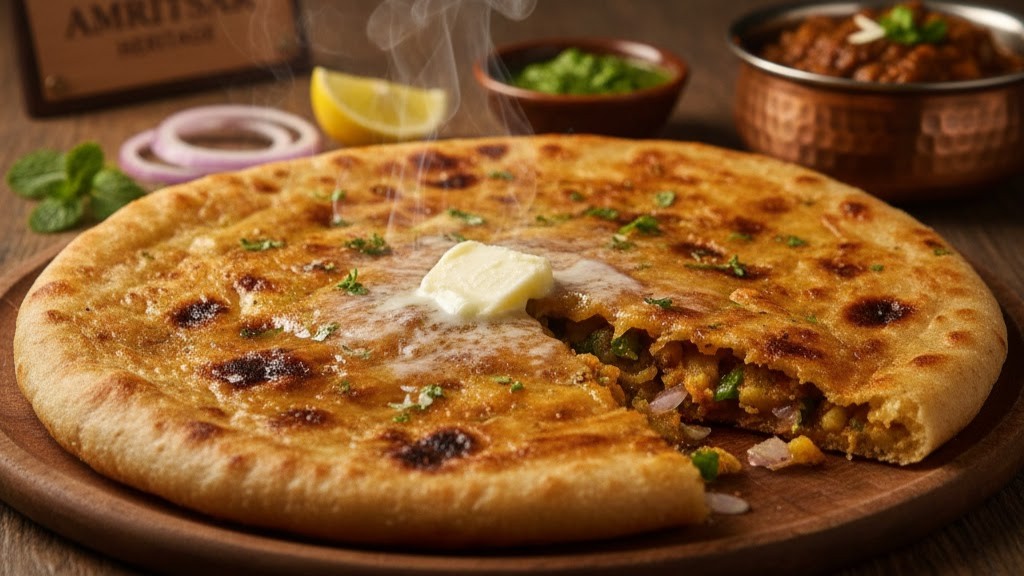
The Texture and Flavour Profile: What Your Senses Will Experience
A great Amritsari Kulcha is a multi-sensory event. Here is what to expect from first look to last bite:
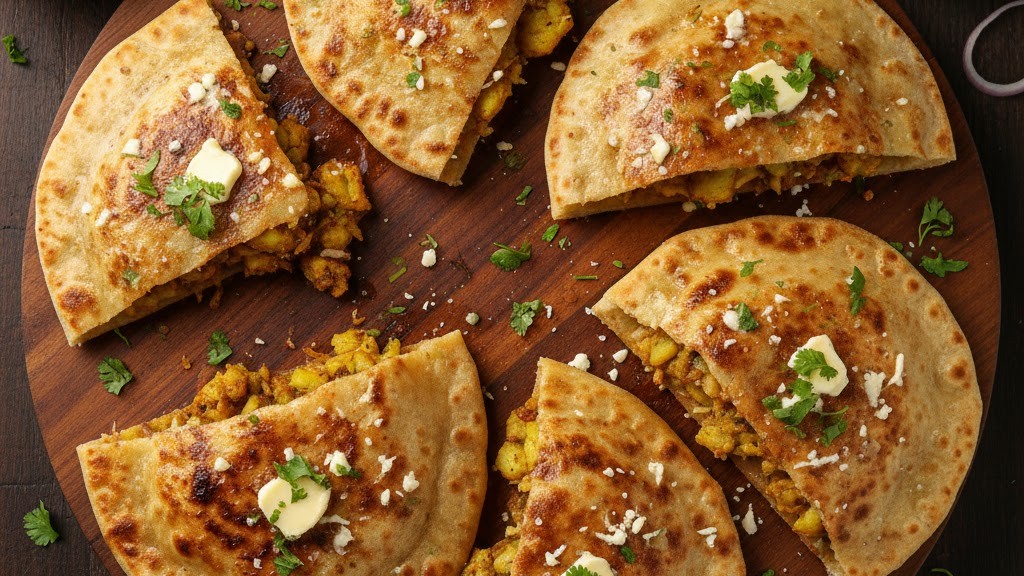
Varieties of Kulcha: What Are Your Options?
While the classic Aloo (potato) Kulcha is the gold standard, the Amritsari tradition has expanded over time to include several beloved variations. Here is a quick breakdown:
Aloo Kulcha: The original and most iconic - spiced mashed potato filling, always the benchmark
Paneer Kulcha: Fresh cottage cheese (paneer) with herbs and spices - richer and creamier in profile
Pyaaz Kulcha: Raw or lightly cooked onion filling - sharper, more pungent, beloved by those who want a stronger bite
Mixed Kulcha: A combination of fillings - often potato and paneer together - for those who cannot choose
Gobhi Kulcha: Spiced cauliflower filling - lighter and fragrant, excellent as a variation for those watching richness
Plain Kulcha: No filling - the dough itself, in all its tandoor glory, served as a bread accompaniment to heavier curries
At Tadka King, our Amritsari Kulcha is our most-requested dish – and for good reason. It is prepared using authentic techniques, a tandoor that has been built for this purpose, and ingredients that meet the standard of the original.
Why Tadka King's Amritsari Kulcha Stands Apart in Brampton
There are Indian restaurants across Brampton. Not all of them serve Amritsari Kulcha. And of those that do, fewer still take the time to do it the way it was meant to be done. Here is what separates what you get at Tadka King from what you might find elsewhere:
And that last row matters more than it might seem. The craving for Amritsari Kulcha does not always strike at noon. Sometimes it is 2 AM on a Tuesday. Sometimes it is after a late flight, a night shift, or a long family celebration. At Tadka King, the kulcha is always on. View our full food menu to see everything available alongside our kulcha.
Our Expertise: Why We Are Qualified to Talk About This Dish
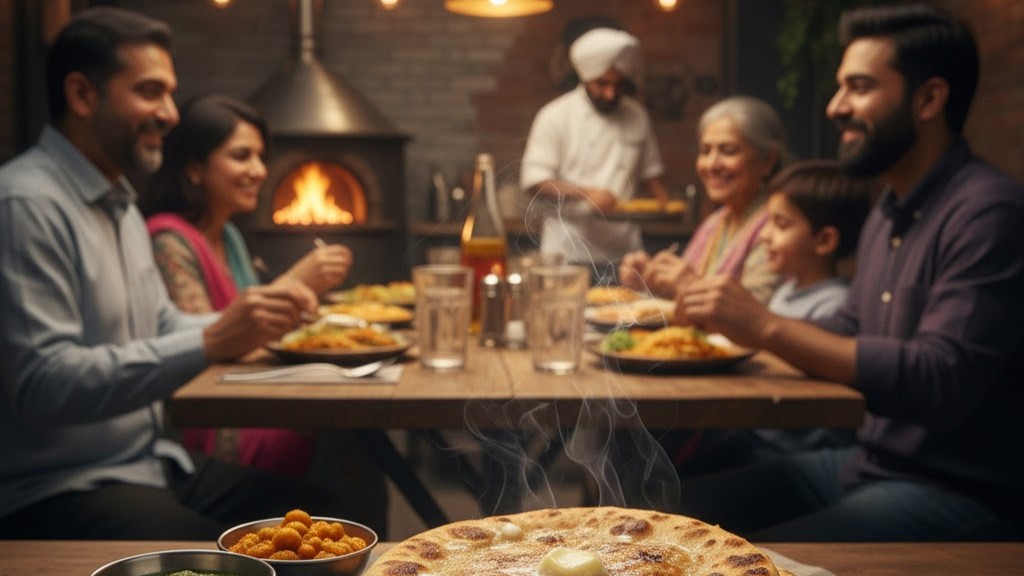
At Tadka King, we do not serve Amritsari Kulcha as an afterthought on a long pan-Indian menu. It is our signature dish – the item our team has mastered, refined, and served more times than any other. Our kitchen team specialises in authentic Punjabi cuisine and understands what this dish demands: the right temperature, the right dough resting time, the right spice balance in the filling, and the generous hand with the butter that finishes it properly.
We are part of Brampton’s South Asian community. Our customers are people who grew up eating kulcha from the lanes of Amritsar, from Punjabi dhabas, from their grandmothers’ kitchens. They know when something is right. And they come back because ours is.
Experience, expertise, authenticity, and community trust – these are not just values we talk about. They are present in every kulcha that leaves our tandoor.
How to Experience Amritsari Kulcha at Tadka King
Here is exactly how to make the most of your kulcha visit:
Dine-In:
Walk in at any time – we are open 24/7. Ask your server for the Amritsari Kulcha and let them guide you through the best accompaniment pairings on the day.
Reserve a Table:
For a relaxed experience – especially for groups or families – book your table online in advance. It only takes a minute and guarantees your spot.
Pair it Right:
Order the kulcha with chole (spiced chickpeas) for the full Amritsari experience. Add a lassi or a cold drink to round out the meal. For those who enjoy a bar menu accompaniment, we have you covered there too.
Add Some Street Food:
Start your meal with a portion of Golgappe or Aloo Tikki from our street food counter before moving to the kulcha for the full desi street-food-meets-sit-down-meal experience.
Finish with Mithai:
End the meal with a piece of Kaju Katli or Moti Choor Ladoo from our in-house sweets shop. It is the perfect sweet full stop on a perfect Punjabi meal.
Tadka King - Brampton's 24/7 Punjabi Kitchen
35 Main St N, Brampton, ON L6X 1M8
Phone: (905) 230-0102
Open 24/7 – Brampton’s Punjabi Kitchen
Resources & Further Reading
Explore more from Tadka King and expand your knowledge of authentic Indian cuisine:
- Full Food Menu at Tadka King – See our complete Punjabi and North Indian menu
- Dine-In Experience at Tadka King – Learn about our full sit-down dining room, open 24/7
- Indian Street Food in Brampton – Pair your kulcha meal with authentic Punjabi street food starters
- Traditional Indian Sweets – Complete your Punjabi meal with freshly made mithai
- Indian Catering Services in Brampton – Bring authentic kulcha and Punjabi food to your event
- Reserve a Table at Tadka King – Book your table online in seconds – we’re open 24 hours
- Explore More on Our Blog – Read our other deep-dive guides on Indian cuisine, street food, and dining in Brampton
- Visit the Tadka King Homepage – Discover everything Tadka King has to offer Brampton and the GTA
Frequently Asked Questions (FAQs)
What makes Amritsari Kulcha different from regular kulcha or naan?
Amritsari Kulcha is traditionally stuffed (usually with spiced mashed potato), cooked in a high-heat clay tandoor, and finished with generous white butter or ghee. Unlike plain kulcha or naan, it has a crispy blistered exterior, soft airy interior, and a flavorful filling that defines the dish.
Is Amritsari Kulcha always stuffed?
The classic Amritsari Kulcha is stuffed, most commonly with spiced aloo (potato). However, variations include paneer, onion (pyaaz), gobhi (cauliflower), mixed fillings, and even plain kulcha served as a bread accompaniment to chole.
What is Amritsari Kulcha served with?
Authentic Amritsari Kulcha is typically served with chole (spiced chickpeas), pickled onions, green chutney, and a generous layer of butter or ghee. The combination balances richness, spice, tang, and texture for the full Punjabi experience.
Why is the tandoor important in making authentic Amritsari Kulcha?
A traditional clay tandoor reaches temperatures between 400-480°C. This extreme heat creates the signature charred blistered spots on the outside while keeping the inside soft and pillowy. Oven or pan versions cannot replicate the same smoky flavor and texture.
Where can I find authentic Amritsari Kulcha in Brampton?
Tadka King in Brampton serves authentic Amritsari Kulcha prepared in a traditional clay tandoor, finished with white butter, and available 24/7. It’s one of their signature dishes and one of the most requested items on the menu.
Is Amritsari Kulcha heavy or filling?
Amritsari Kulcha is indulgent but balanced. While it is rich due to butter and stuffing, pairing it with chole and chutney creates a well-rounded meal rather than an overwhelmingly heavy one.
Can I order Amritsari Kulcha late at night in Brampton?
Yes. Tadka King is open 24 hours, 7 days a week, making it one of the few places in Brampton where you can enjoy authentic Amritsari Kulcha at any time – whether it’s lunch, dinner, or 2 AM.

Swaran Sandhu
Swaran Sandhu has 8+ years of experience in the HoReCa industry and a passion for writing about food, restaurants, and Indian cuisine, especially covering locations across Ontario (Canada).