The Ultimate Guide to Traditional Indian Sweets (Mithai) for Every Occasion
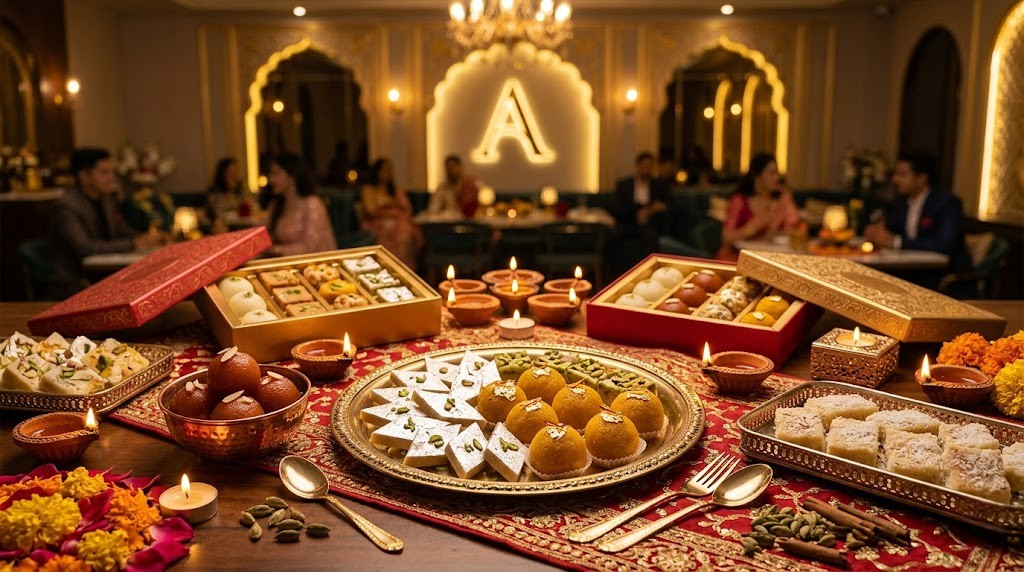
The answer is simple: in Indian culture, mithai is never just dessert. It is ritual, tradition, and language. It speaks when words cannot. It honours the gods, celebrates milestones, and seals relationships. A box of sweets delivered to a new neighbour says ‘you are welcome here.’ A tray of ladoos shared at a wedding says ‘may your life be as sweet as this moment.’ A Gulab Jamun offered after a meal says ‘we are glad you came.’
For the South Asian diaspora in Brampton and the Greater Toronto Area, finding authentic, handcrafted mithai made the traditional way – with pure ghee, premium nuts, and no artificial preservatives – can be challenging. Mass-produced factory sweets do not carry the same weight. They taste different. They feel different. They do not honour the tradition.
This guide is your complete introduction to traditional Indian sweets – what they are, where they come from, how they are made, and most importantly, which sweets to choose for every occasion. Whether you are planning a Diwali celebration, attending a wedding, or simply want to understand the world of mithai, this is everything you need to know. And if you are looking for authentic, freshly made mithai in Brampton, Tadka King’s in-house sweet shop produces handcrafted Indian sweets daily using traditional methods.
What is it about a small silver box of Kaju Katli – barely a pound of cashew-based sweetness wrapped in edible silver foil – that transforms a simple house visit into a gesture of respect, turns a wedding invitation into a blessing, and marks every celebration from birth to promotion with sweetness and good fortune?
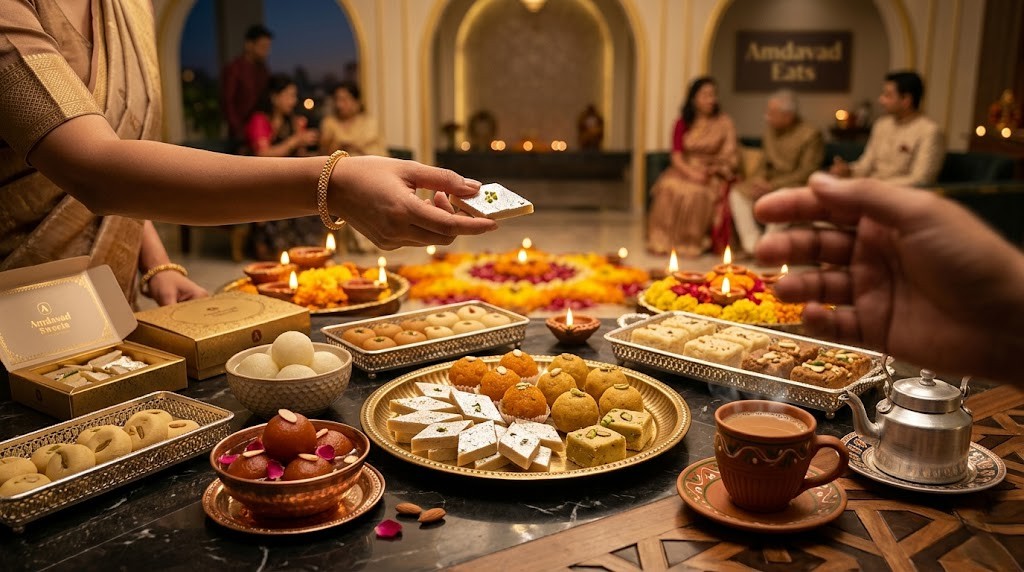
What Is Mithai? Understanding Indian Sweets and Their Cultural Role
Mithai (also spelled ‘mithaee’ or ‘meetha’) is the Hindi/Urdu word for sweets. But in Indian culture, the category of mithai encompasses far more than what Western cuisine calls desserts. Mithai includes:
Milk-based sweets like Barfi, Peda, and Kalakand - made from khoya (evaporated milk solids)
Deep-fried sweets soaked in sugar syrup like Gulab Jamun, Jalebi, and Rasgulla
Nut-based sweets like Kaju Katli (cashew fudge) and Badam Barfi (almond fudge)
Gram flour sweets like Besan Ladoo and Moti Choor Ladoo
Regional specialties like Mysore Pak, Sandesh, and Peda
Unlike Western desserts which are typically served as a course at the end of a meal, mithai in Indian culture is offered:
As a welcome gesture to guests arriving at your home
As prasad (blessed food) distributed after religious ceremonies
As gifts during festivals like Diwali, Holi, Eid, Raksha Bandhan, and Vaisakhi
As wedding favours and celebration markers at milestone events
As a daily indulgence with chai (tea) in the late afternoon
Mithai is the social currency of Indian culture. It is how we say thank you, congratulations, welcome, I am sorry, and we are family – all without speaking a word.
The Major Categories of Indian Sweets: A Breakdown by Preparation Method
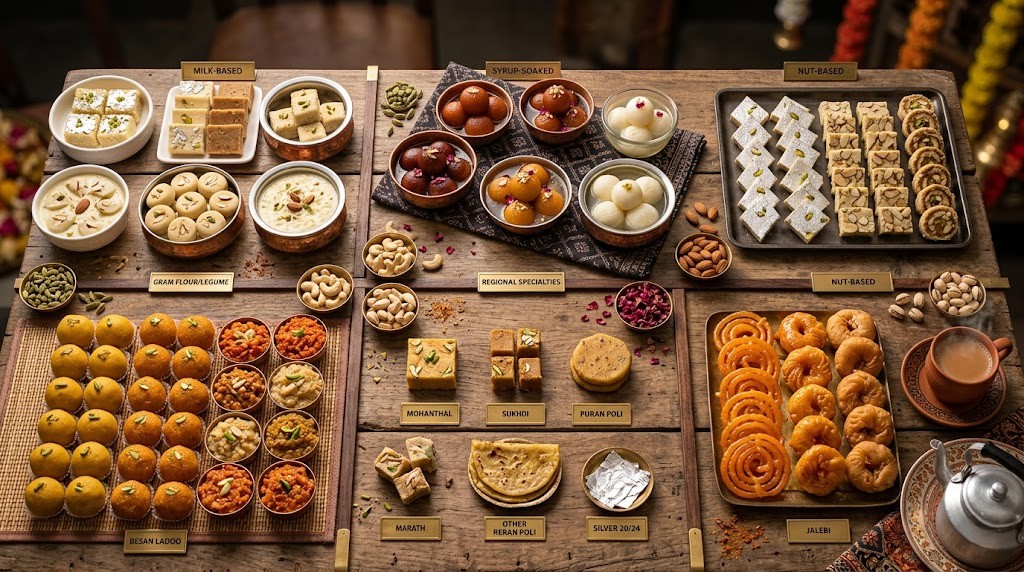
Indian mithai is incredibly diverse – with hundreds of regional variations across the subcontinent. But most traditional sweets fall into a few core categories based on how they are made:
Milk-Based Sweets (Khoya / Mawa Sweets)
These are made from khoya – milk that has been slowly simmered and reduced until it becomes a thick, semi-solid paste. Khoya is the foundation of many North Indian sweets.
Barfi: Dense milk fudge, often flavoured with cardamom, rose, pistachio, or coconut
Kalakand: Soft, grainy milk cake with a crumbly texture
Peda: Round, flattened milk sweets, often stamped with decorative patterns
Badam Barfi: Almond-flavoured milk fudge, richer and denser than plain barfi
Fried Sweets Soaked in Syrup
These sweets are deep-fried (usually in ghee) and then soaked in sugar syrup, giving them a soft, spongy, intensely sweet profile.
Gulab Jamun: Deep-fried milk solid balls soaked in rose-cardamom syrup - one of the most iconic Indian sweets
Rasgulla: Soft, spongy cheese balls (made from chhena) soaked in light sugar syrup
Cham Cham: Oblong, spongy chhena sweets coated in coconut or khoya
Jalebi: Pretzel-shaped fried batter soaked in saffron syrup - crispy outside, syrupy inside
Nut-Based Premium Sweets
These are the luxury tier of mithai – made primarily from ground nuts (cashews, almonds, pistachios) and are among the most expensive and prized sweets for gifting.
Kaju Katli: Thin diamond-shaped cashew fudge, often topped with edible silver leaf - the gold standard of Indian gifting sweets
Pista Barfi: Pistachio fudge with a bright green colour and rich, nutty flavour
Badam Katli: Almond-based version of Kaju Katli, slightly denser in texture
Gram Flour and Lentil-Based Sweets (Ladoos)
Ladoos are round, ball-shaped sweets made from a variety of bases – gram flour (besan), semolina (sooji), or lentils. They are staples at religious ceremonies and festivals.
Besan Ladoo: Made from roasted gram flour, ghee, and sugar - rich, crumbly, and deeply flavoured
Moti Choor Ladoo: Made from tiny fried gram flour pearls bound together with sugar syrup
Boondi Ladoo: Similar to Moti Choor but with larger, crunchier boondi pearls
Every category of mithai requires different skills, different techniques, and different timing. This is why handcrafted mithai – made daily by experienced halwais (sweet makers) – tastes fundamentally different from factory-produced sweets.
Choosing the Right Mithai for Every Occasion: A Complete Guide
Different occasions call for different sweets. Here is your complete guide to which mithai to serve, gift, or order for every major celebration and milestone:
How to Choose Mithai for Gifting: Size, Packaging, and Presentation
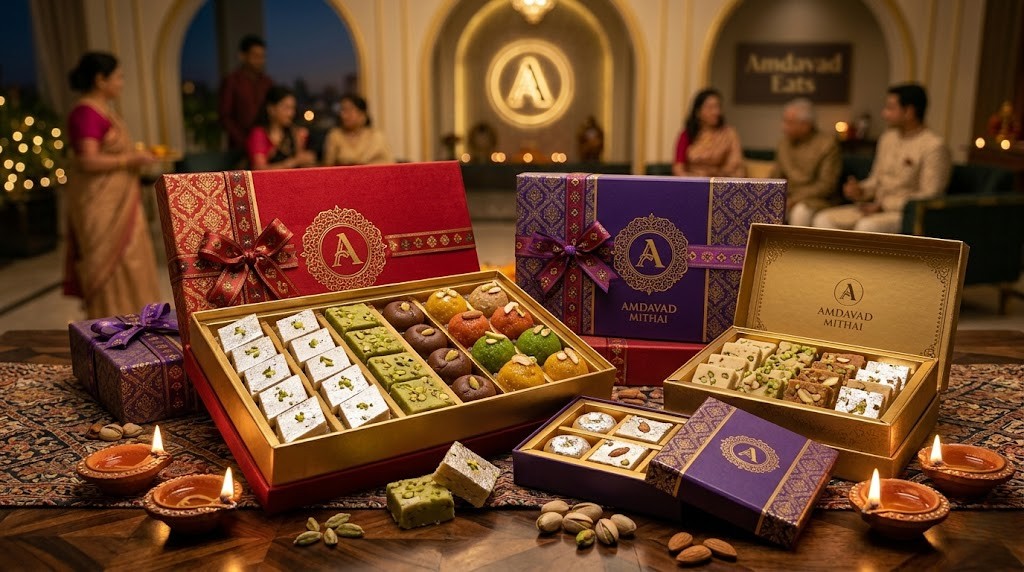
Gifting mithai is an art form in Indian culture. The sweets you choose, how they are packaged, and how much you give all communicate specific messages. Here is how to get it right:
1. Know Your Audience
For elders and traditional families: Choose classic sweets like Ladoo, Peda, Gulab Jamun
For younger recipients or modern tastes: Consider Chocolate Barfi, Pista Barfi, or premium Kaju Katli
For corporate gifting: Premium nut-based sweets in elegant packaging - Kaju Katli is the safest, most respected choice
2. Choose the Right Quantity
Small box (250g-500g): Suitable for casual visits, thank-you gifts, or close friends
Medium box (500g-1kg): Standard for festival gifting (Diwali, Eid) and milestone celebrations
Large box or tray (1kg+): For weddings, major religious ceremonies, or corporate gifting to senior clients
3. Presentation Matters
Gift boxes should be clean, well-sealed, and preferably decorative (gold, silver, or festive colours)
For weddings and premium occasions, request gift packaging with ribbons or traditional decoration
Include a small greeting card or label for formal gifts (especially corporate gifting)
When in doubt, a mixed box of 4-6 varieties (500g total) is the safest choice – it offers variety, respects different tastes, and feels generous without being excessive.
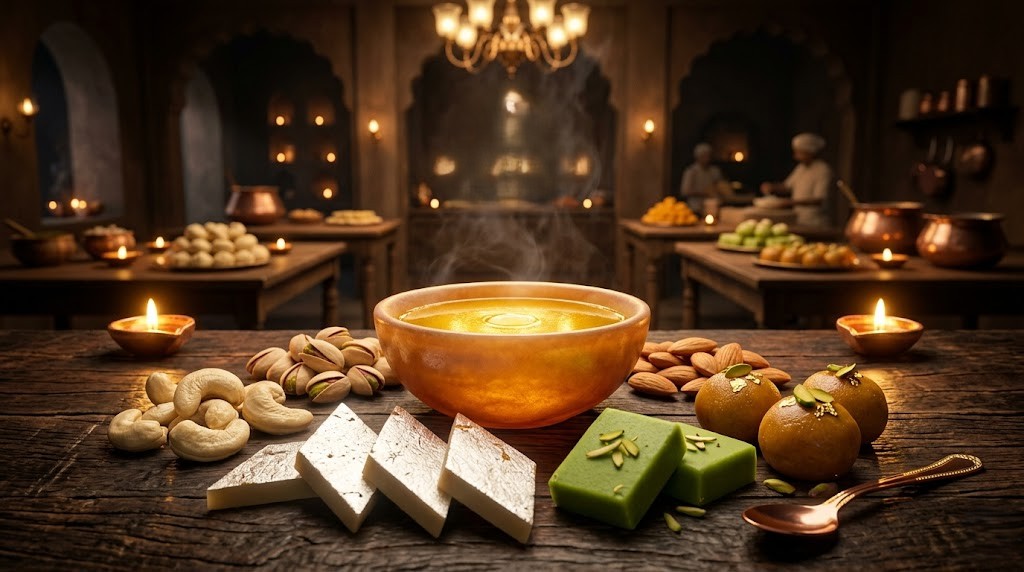
Why Pure Ghee and Premium Ingredients Make All the Difference
Not all mithai is created equal. The difference between authentic, handcrafted sweets and mass-produced factory versions comes down to three things: ingredients, technique, and freshness.
Pure Ghee vs. Vegetable Oil
Traditional Indian sweets are made with ghee – clarified butter that has been simmered to remove milk solids. Ghee gives mithai its characteristic rich, nutty flavour and smooth mouthfeel. Many commercial sweet shops use vegetable oil or hydrogenated fats (vanaspati) instead because they are cheaper. The result is sweets that taste greasy, lack depth, and leave an unpleasant aftertaste.
Premium Nuts vs. Fillers
Authentic Kaju Katli should be made almost entirely from cashews – ground fine, cooked with sugar, and rolled thin. Low-quality versions use cashew powder mixed with semolina or other fillers to reduce cost. The texture becomes grainy, the flavour muted. The same applies to Pista Barfi and Badam Barfi – if the primary ingredient is not the nut itself, you are not getting the real thing.
Freshness Makes or Breaks Mithai
Mithai is perishable. Milk-based sweets like Barfi and Kalakand should be consumed within 3-5 days of preparation. Syrup-based sweets like Gulab Jamun last slightly longer but still degrade over time. Factory-produced sweets often contain preservatives to extend shelf life – which changes the taste and texture. Freshly made mithai, produced daily in small batches, is an entirely different experience.
At Tadka King’s in-house mithai shop, we produce all our sweets fresh daily using pure ghee and premium nuts – no artificial preservatives, no shortcuts, no compromise.
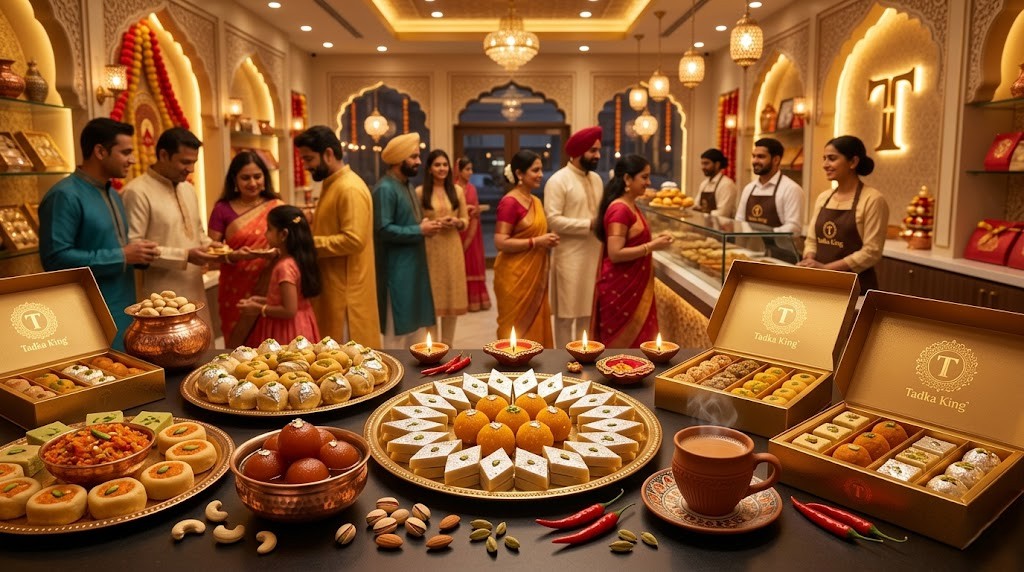
Our Expertise: Why Tadka King's Mithai Shop Is Trusted Across Brampton
Tadka King’s mithai shop is not a retail counter selling pre-packaged sweets from external suppliers. It is a working sweet kitchen – a space where experienced halwais (traditional sweet makers) produce fresh mithai every single day using methods passed down through generations.
We serve Brampton’s South Asian community – people who grew up eating mithai from the best shops in Delhi, Amritsar, Mumbai, and Lahore. They know what authentic mithai should taste like. They know the difference between sweets made with pure ghee and sweets made with vegetable oil. And they come to Tadka King because our sweets meet that standard.
Whether you are ordering a small box for a family visit or custom gift boxes for a 300-guest wedding, you are getting the same quality, the same freshness, and the same commitment to tradition.
Resources & Further Reading
Explore more from Tadka King and discover authentic Indian cuisine in Brampton:
- Traditional Indian Sweets in Brampton – Full mithai menu, pre-order gift boxes, daily fresh sweets
- Indian Catering Services in Brampton – Add custom mithai gift boxes to your catering order
- Dine-In Experience at Tadka King – Pair your meal with fresh mithai from our in-house sweet shop
- Full Food Menu – Explore our complete Punjabi and North Indian menu
- Indian Street Food in Brampton – Authentic Chaat, Golgappe, and street snacks
- Reserve a Table – Book your table and finish your meal with fresh mithai
- Live Catering Service – Include mithai as part of your event dessert spread
- Explore More on Our Blog – More guides on Indian cuisine, traditions, and dining in Brampton
Visit the Tadka King Homepage – Discover everything Tadka King offers Brampton and the GTA
Frequently Asked Questions (FAQs)
What is the most popular Indian sweet?
Gulab Jamun is widely considered the most popular and universally loved Indian sweet – recognised across all regions of India and the diaspora. Kaju Katli is the most popular premium sweet for gifting, especially during Diwali and weddings.
How long does fresh mithai last?
Milk-based sweets (Barfi, Kalakand, Peda) last 3-5 days when refrigerated. Syrup-based sweets (Gulab Jamun, Rasgulla) last 5-7 days refrigerated. Nut-based sweets (Kaju Katli) can last 7-10 days if stored properly in an airtight container. Always check with your sweet shop for specific storage guidance.
What is the difference between Kaju Katli and Kaju Barfi?
Kaju Katli and Kaju Barfi are two names for the same sweet – a thin, diamond-shaped cashew fudge. ‘Katli’ refers to the diamond (cut) shape; ‘Barfi’ refers to the broader category of milk-and-nut-based fudges. The terms are used interchangeably.
Are Indian sweets vegetarian?
Most traditional Indian sweets are fully vegetarian. However, some sweets may contain dairy (milk, ghee, paneer) which makes them unsuitable for vegans. If you have dietary restrictions, always confirm ingredients with your sweet shop before purchasing.
What sweets should I buy for Diwali gifting?
For Diwali, premium mixed boxes are the standard. Include a variety of sweets: Kaju Katli, Badam Barfi, Besan Ladoo, Moti Choor Ladoo, and Gulab Jamun. A 500g-1kg mixed box is appropriate for most gifting situations. Pre-order Diwali gift boxes at Tadka King to ensure availability during the festival rush.
Can I order custom mithai gift boxes for a wedding?
Yes. Tadka King offers custom mithai gift boxes for weddings and large events. You can choose specific sweets, quantities, and packaging styles. Contact us through our catering services page to discuss your wedding mithai needs.
What is prasad, and what sweets are used for prasad?
Prasad is blessed food distributed after Hindu religious ceremonies (puja, havana, temple visits). Traditional prasad sweets include Peda, Ladoo (Besan, Moti Choor, Boondi), and Barfi. These sweets are simple, easy to distribute, and have religious significance in the ceremony.
How do I store mithai to keep it fresh?
Store mithai in an airtight container in the refrigerator. Remove from the fridge 15-20 minutes before serving to bring it to room temperature (most mithai tastes best when not ice-cold). Avoid leaving mithai at room temperature for extended periods, especially in warm weather.
Where can I buy authentic Indian sweets in Brampton?
Tadka King’s in-house mithai shop produces fresh handcrafted Indian sweets daily using pure ghee and premium nuts. We are open 24 hours a day, 7 days a week. You can pre-order gift boxes online or visit us in-store to select sweets in person.
What makes Tadka King's mithai different from other sweet shops?
Tadka King produces all mithai fresh daily in-house using pure ghee and premium nuts – no artificial preservatives, no vegetable oil substitutes, no shortcuts. Our sweets are made by experienced halwais using traditional methods. We serve Brampton’s South Asian community who expect authentic quality, and we deliver it consistently.

Swaran Sandhu
Swaran Sandhu has 8+ years of experience in the HoReCa industry and a passion for writing about food, restaurants, and Indian cuisine, especially covering locations across Ontario (Canada).